Shooting Barry Roubaix 2026: What I Learned Covering Michigan's Biggest Gravel Race
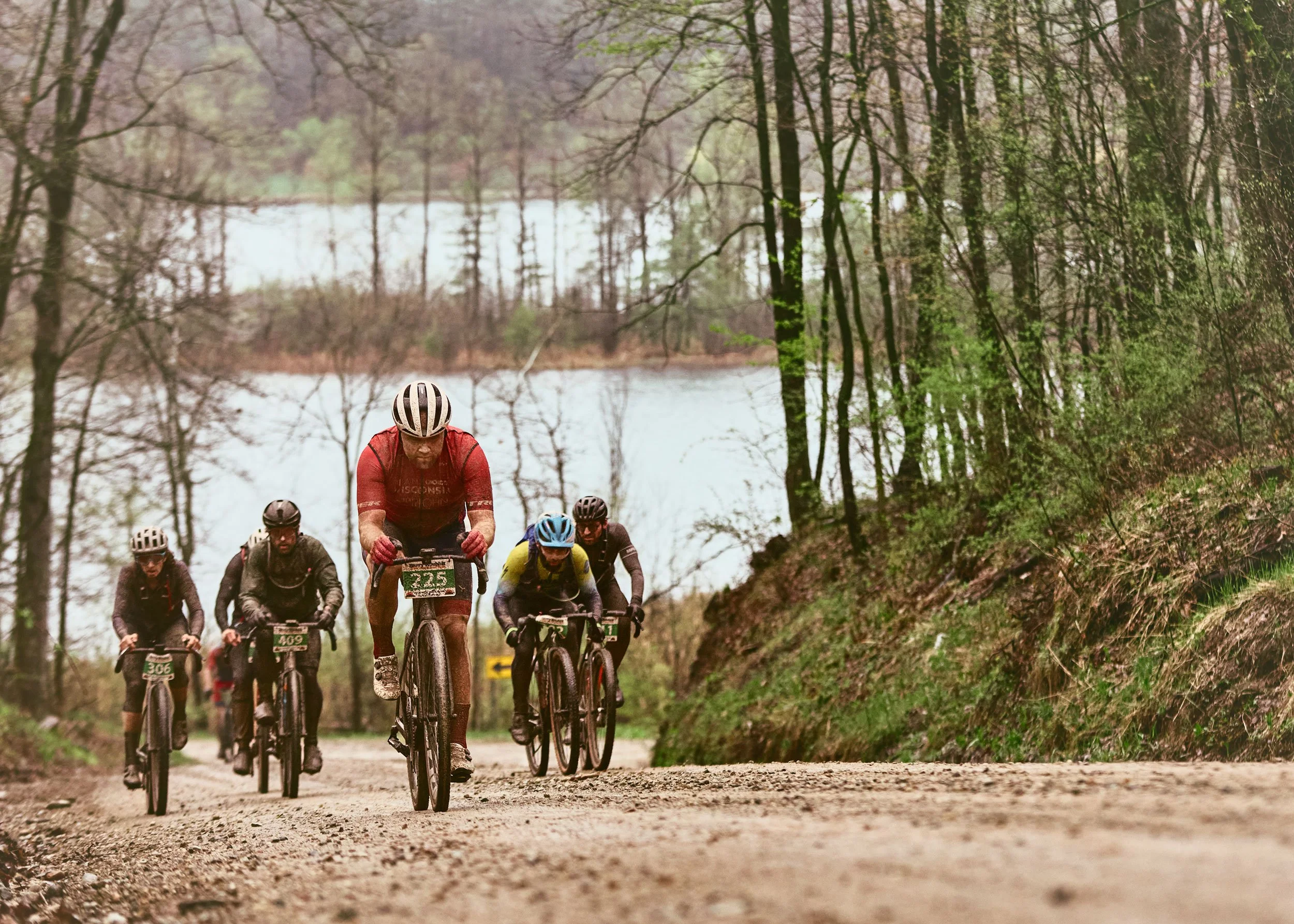
Barry Roubaix draws somewhere around 8,000 riders to Hastings, Michigan every spring. That's nearly double the town's population, most of them arriving with mud-ready bikes, pre-race anxiety, and a sense of what they're about to get into. I showed up the day before with a Canon R6 Mark III, a scouted route, and a less certain sense of what I was doing.
This was my first time shooting Barry Roubaix. I'd covered outdoor events before, but there's something different about walking into one of the larger gravel races in the Midwest as an independent photographer with no credential badge, no race contract, and no guarantee that anything I came home with would be worth the five hour drive.
I spent Friday afternoon driving the course, stopping, getting out walking around, getting behind the wheel, checking a new spot, marking favorites on the map, and repeating. The race runs counter-clockwise out of downtown Hastings, and the terrain does its damage early. The Three Sisters are three consecutive steep climbs starting around mile two, right after the field moves off pavement onto gravel. By the time most riders hit them, they've been moving for less than ten minutes. The course doesn't ease you in.
I picked two positions for race day. The first was a mid-course spot around miles ten to twelve, where the road bends and riders are far enough from the start to show effort but not yet broken. The second was further out, near a climb called The Wall, which lives up to the name. Steep approach, false summit, one final pitch. This separates riders who trained for it from riders who thought they did.
What I wasn't prepared for was how the field spread out. Four distances start at different times, 7:00 AM through 10:15 AM, and the 100-mile Psycho Killer goes first. By the time the shorter distances start, the road looks completely different. The first wave is quiet, controlled, experienced. The later waves are louder, more chaotic, more emotional. That's where the portrait energy lives.
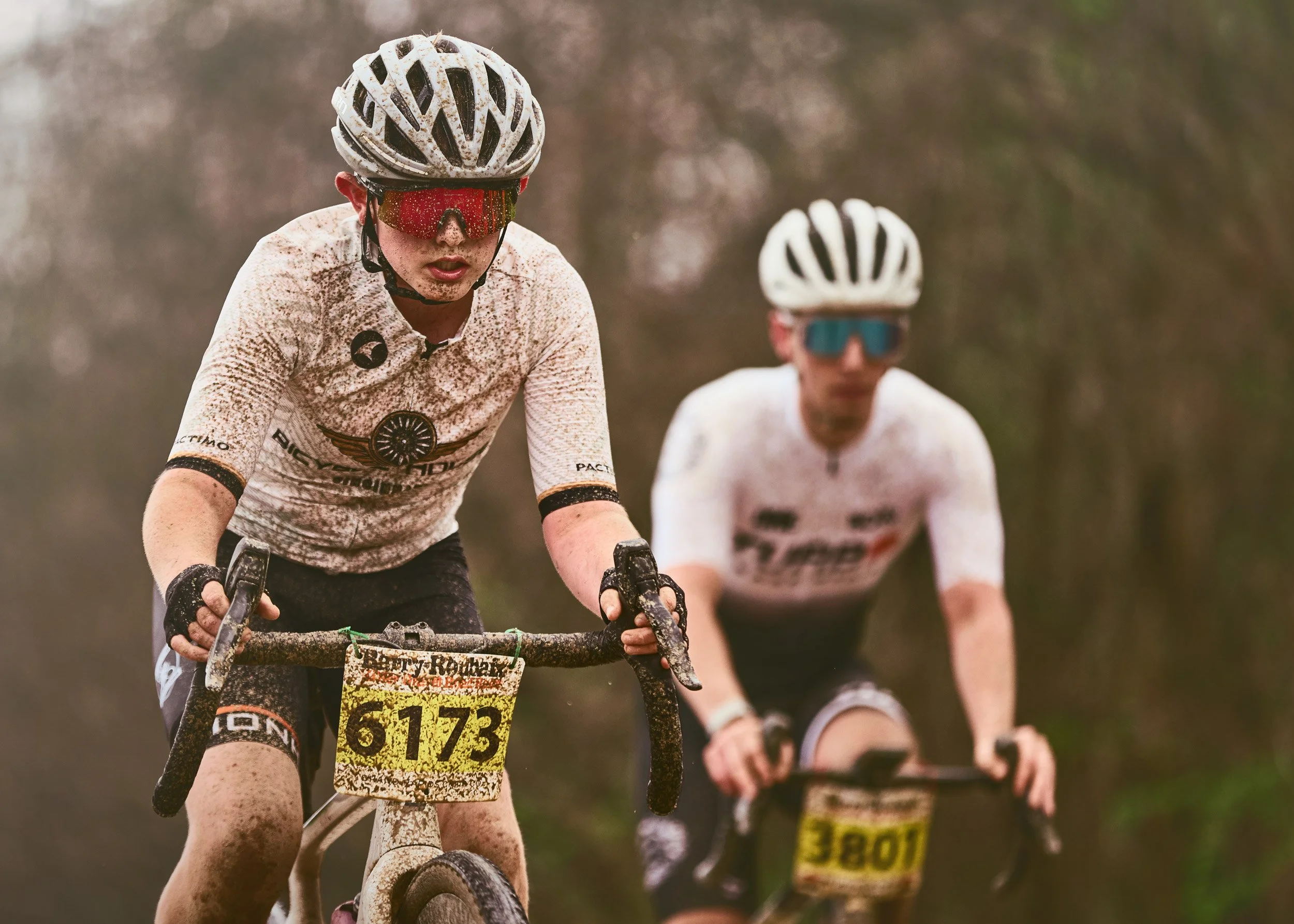
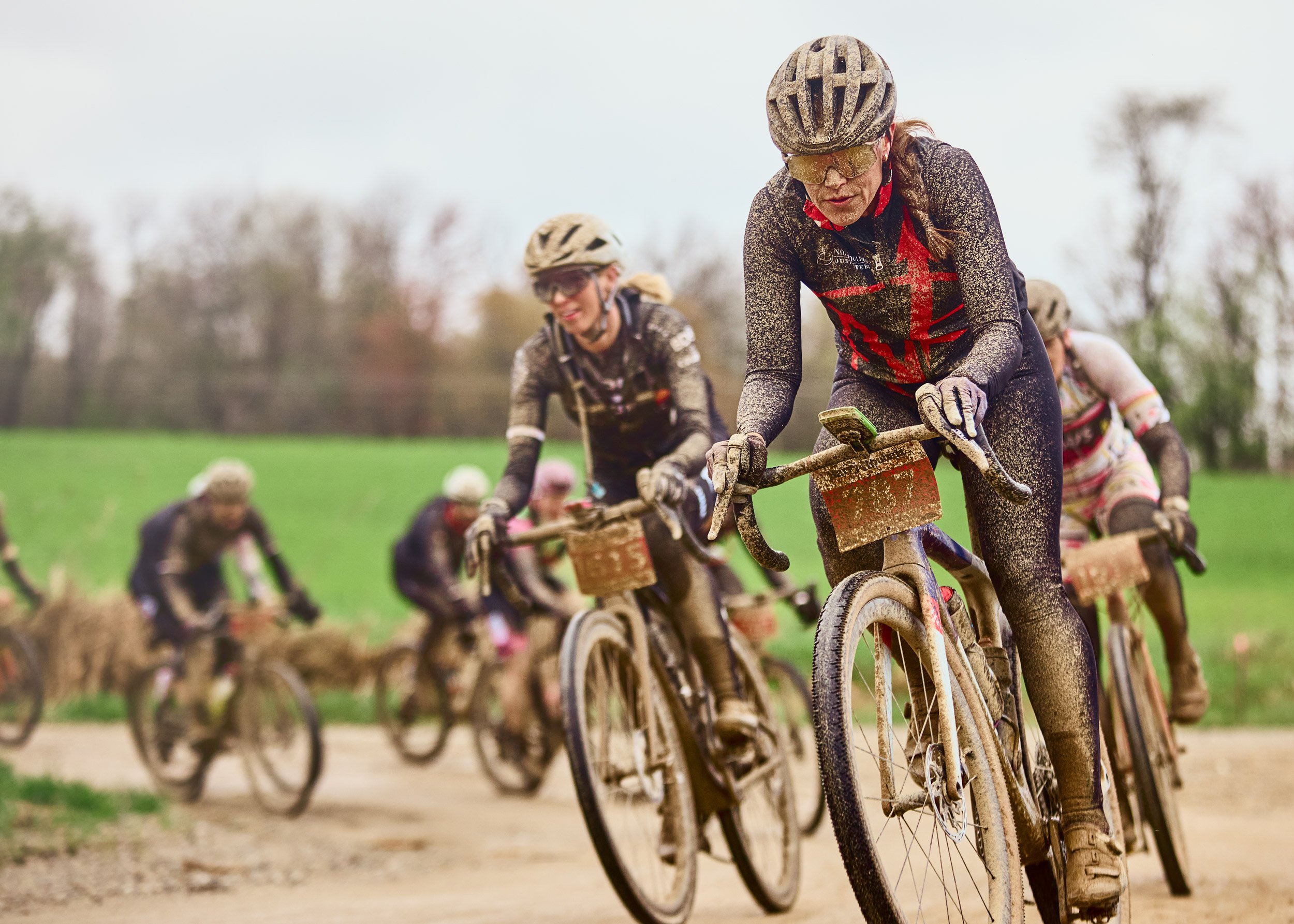
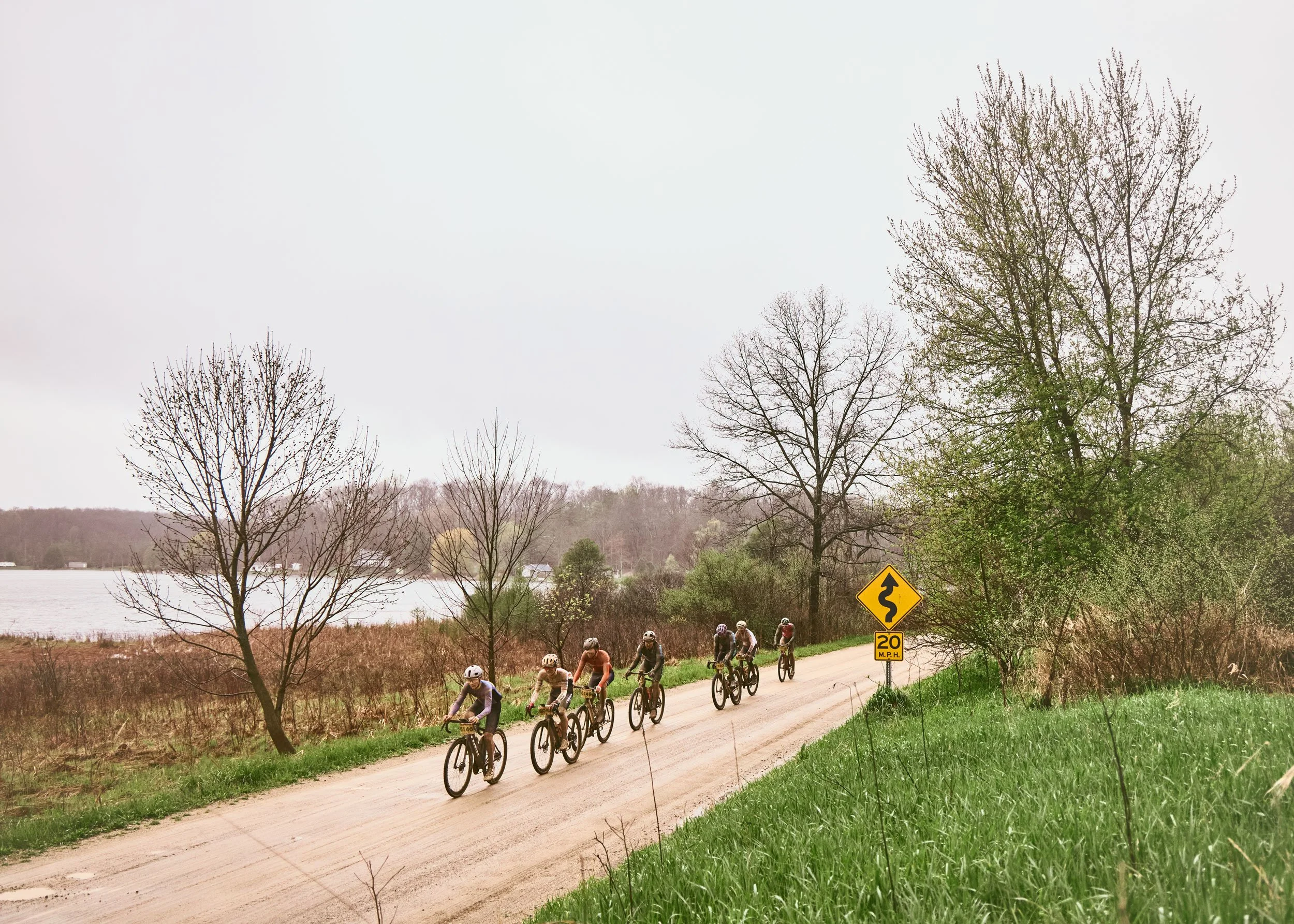
The images I came home with are a mix. Tight portraits of riders mid-effort. Panning shots with motion blur that say more about speed and terrain than any static frame could. Wide establishing shots that show how small a rider looks against a grey Michigan sky and a dirt road that doesn't end. I shot around 25,000 frames and came home with a few hundred I'd actually use. I knew the R6 Mark III had a high FPS on electronic shutter… But when there isn’t the regular shutter feedback, you don’t realize that 40fps stacks up pretty quickly.
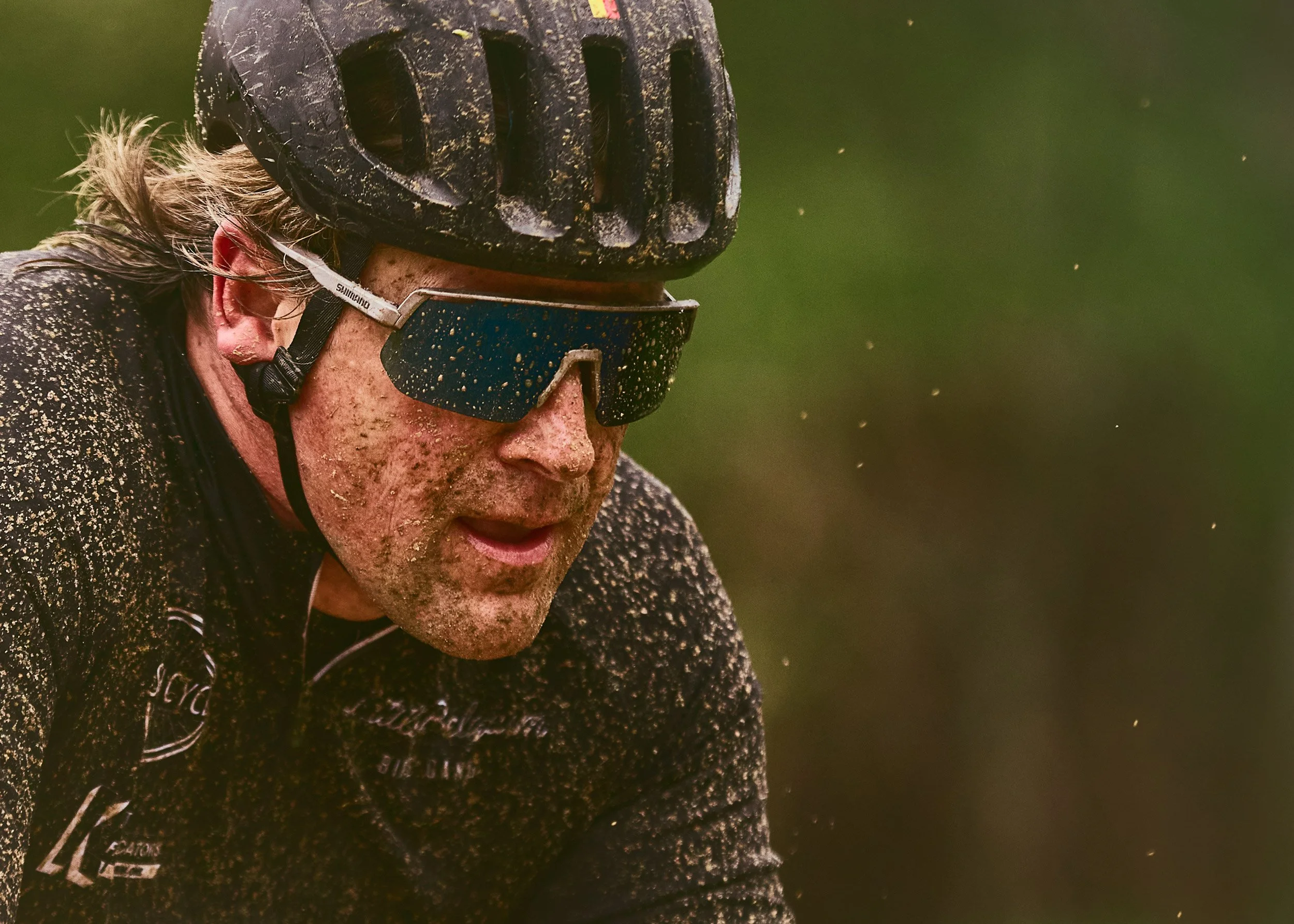
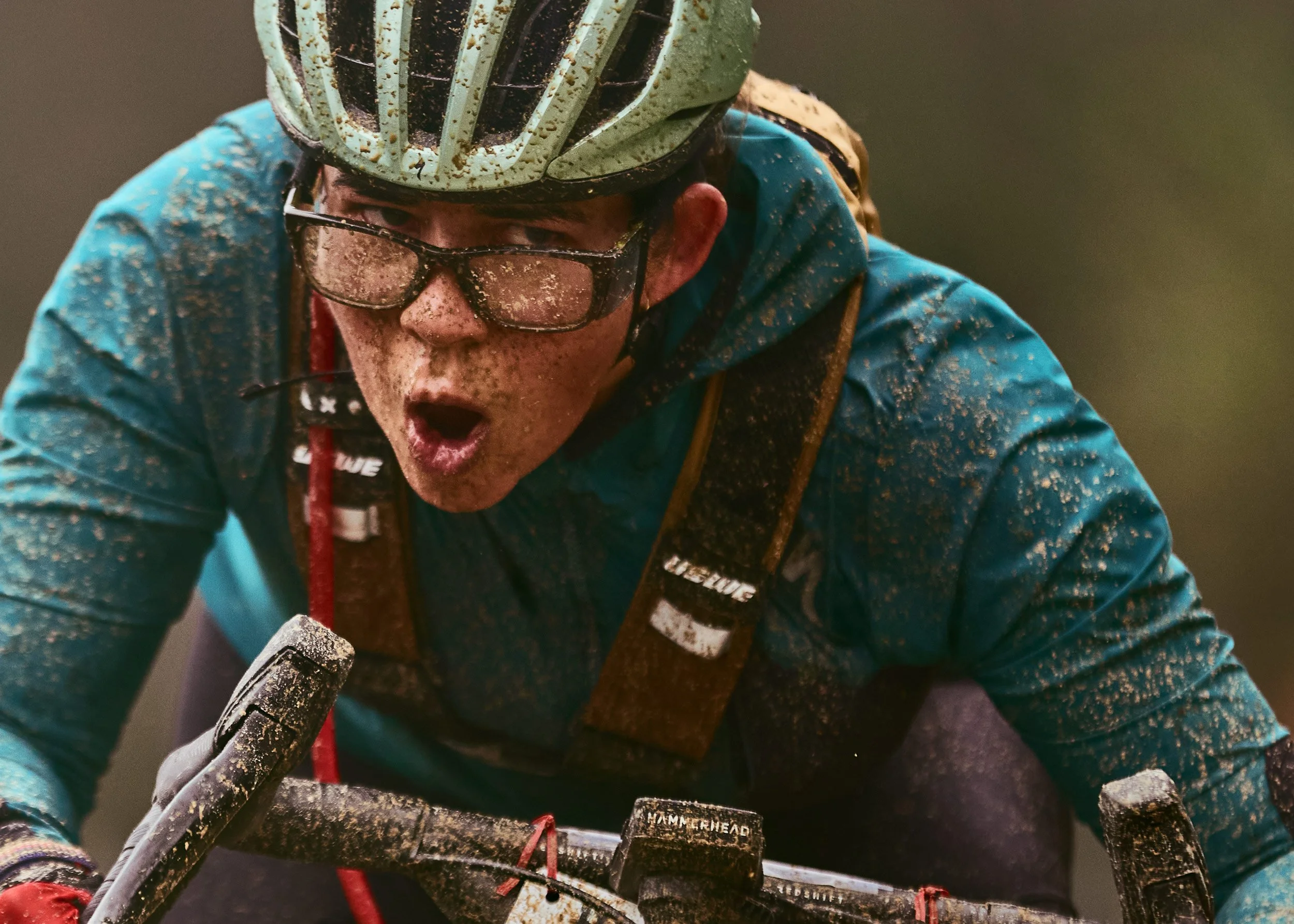
There's a specific frame I keep coming back to. A rider in the later waves, glasses fogged and packed with grit, mouth open, somewhere past the point of performing for anyone. That's the image. Not the one I planned for.
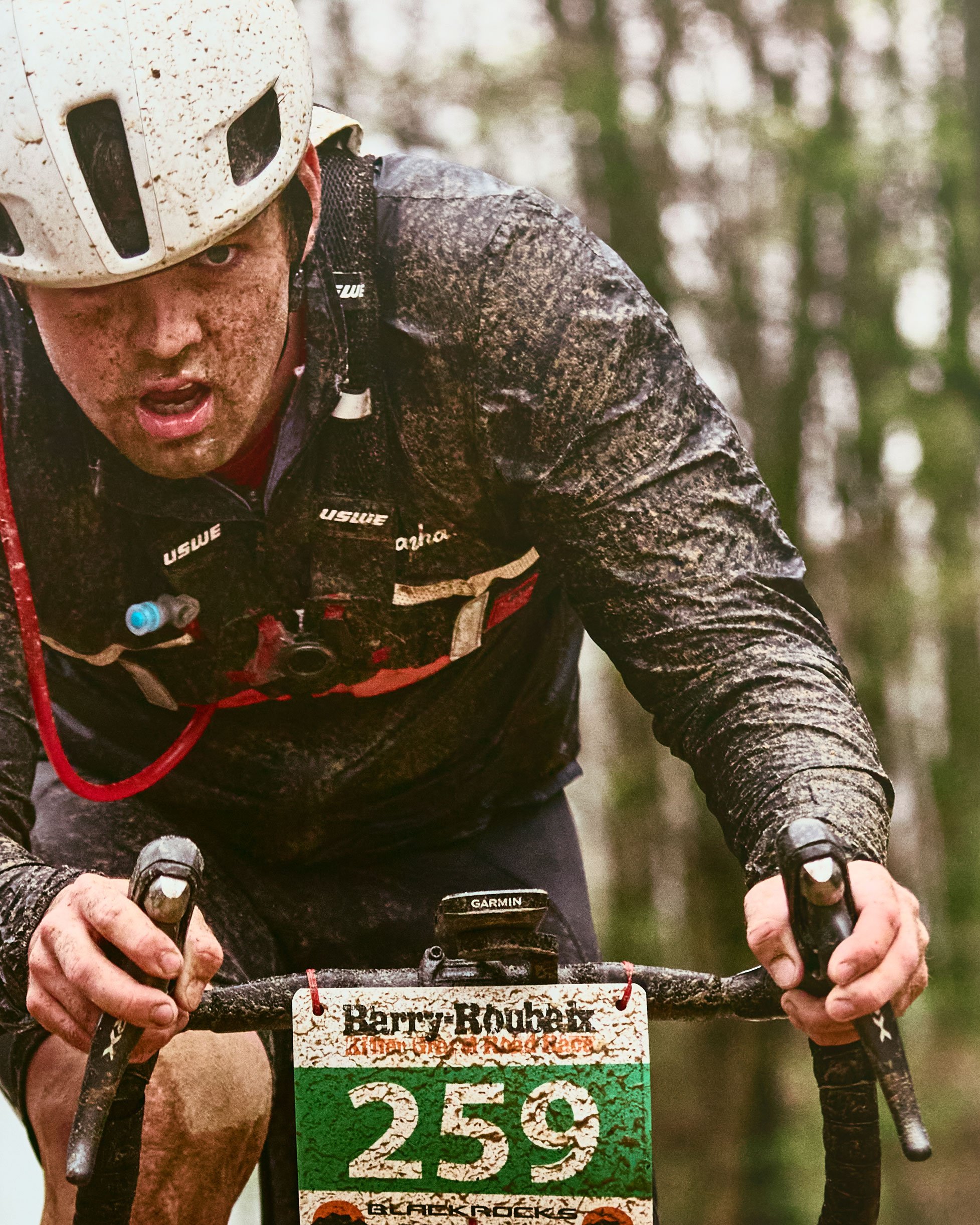
I don't know yet what this event will mean for the season. I came hoping to build a body of work that moves some brand conversations forward, to show that I can produce usable imagery under real conditions at a real event. I think I did that. Whether it turns into something beyond the images is a different question.
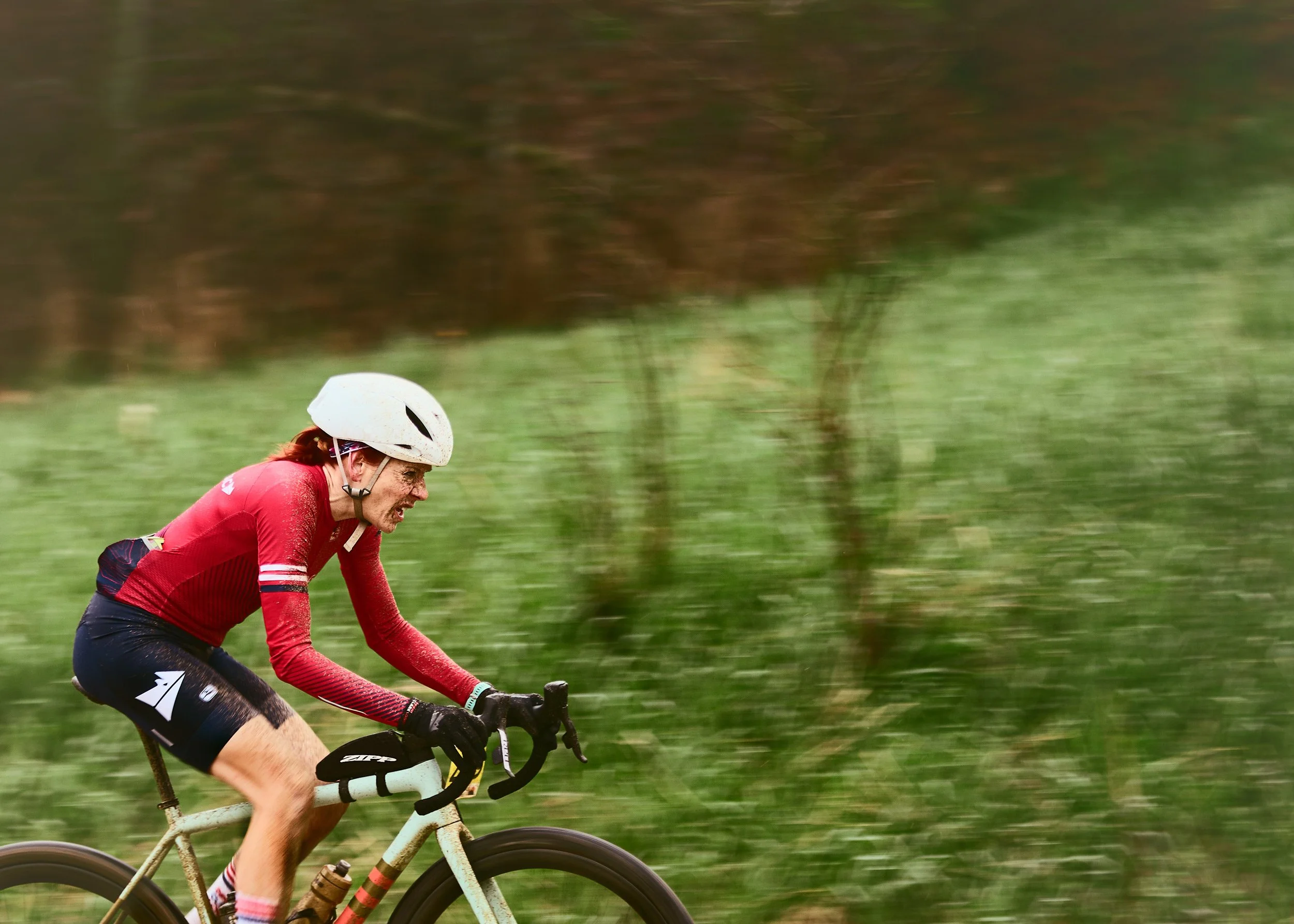
What I know is that Barry Roubaix is worth shooting. The terrain is photogenic. The participants carry visible stakes. And Hastings in April, overcast and cold and full of muddy cyclists, has more in it than you'd expect.
