❋
Stories from the trail, the race, and the space in betweenField Notes
What Happens When You Slow Down: A Guided Photography Experience at Bailey's Trail System
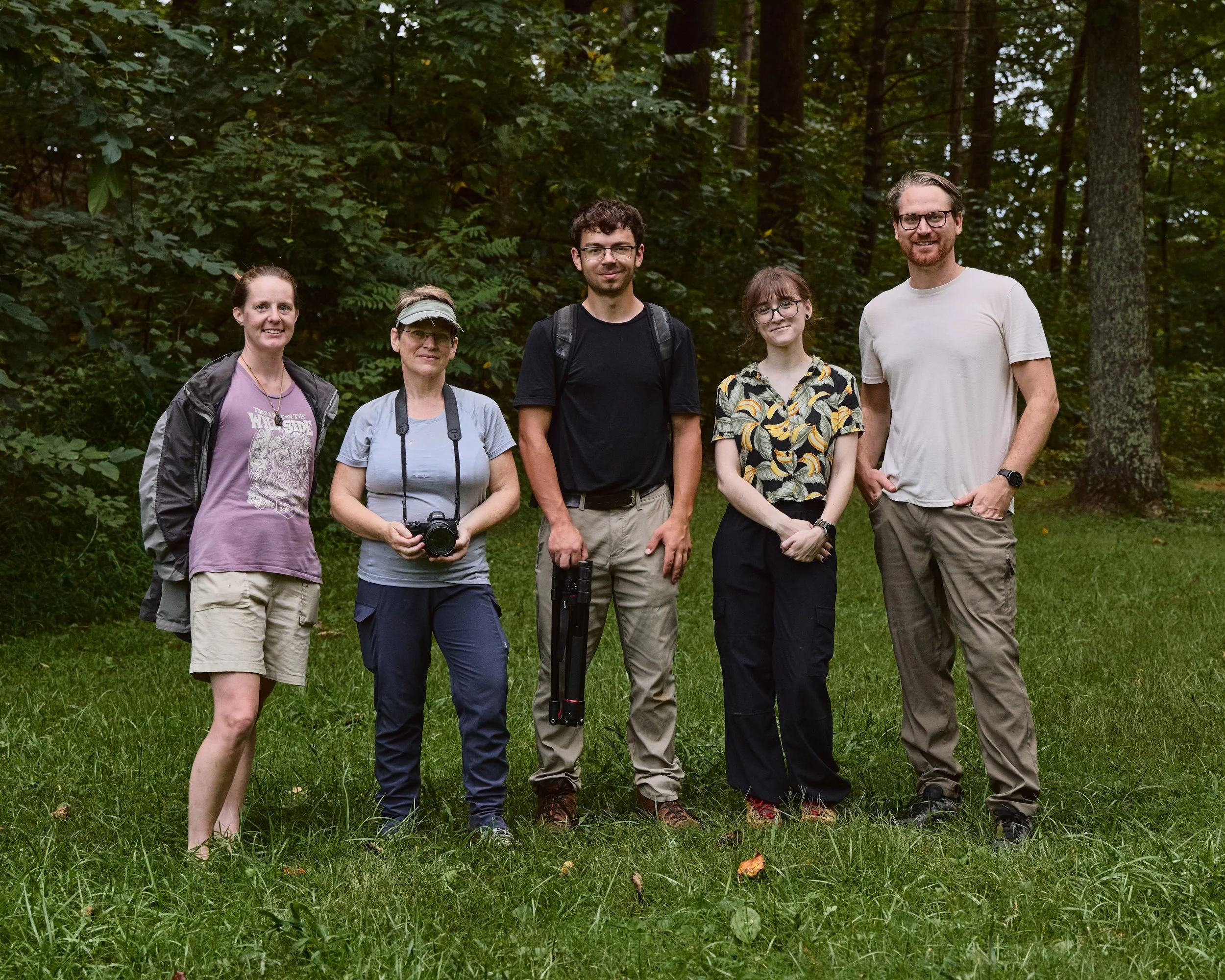
Earlier this month I led a guided photography experience on the Bullfrog Loop at Bailey's Trail System in Wayne National Forest. Two participants, one naturalist, four hours on trail. The light changed, the conversations were good, and nobody was in a hurry. Here's how it went.
Halfway Through the Season: What I've Learned Shooting Mountain Bike Races
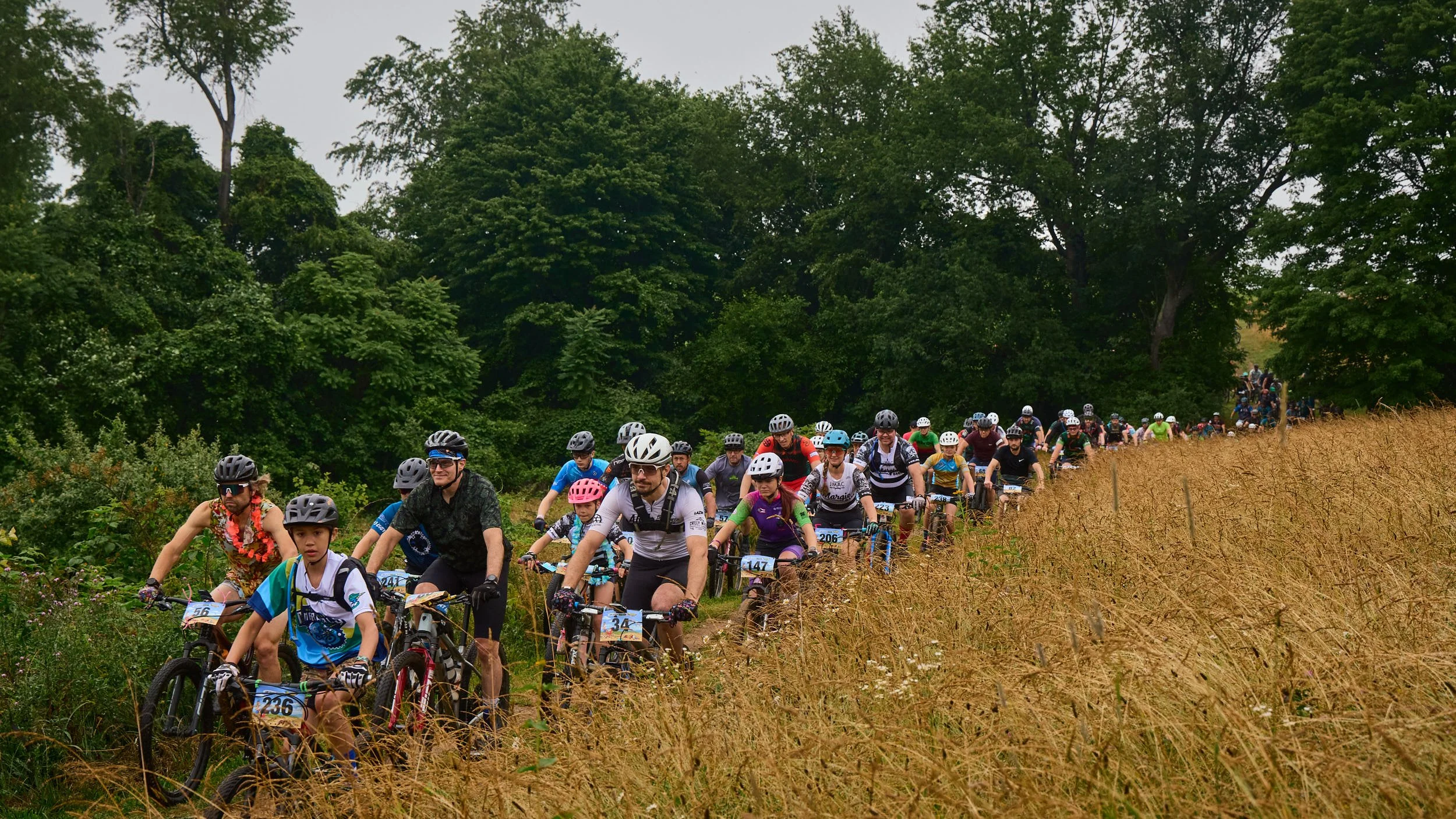
I'm halfway through my first full season shooting mountain bike races across Ohio and New York, and I don't have this figured out yet. Here's what's actually surprised me so far, about the money, the age range, and how welcoming this community really is once you get past the parts that don't feel that way.
One Downhill Race Isn’t Enough to Know Anything Yet
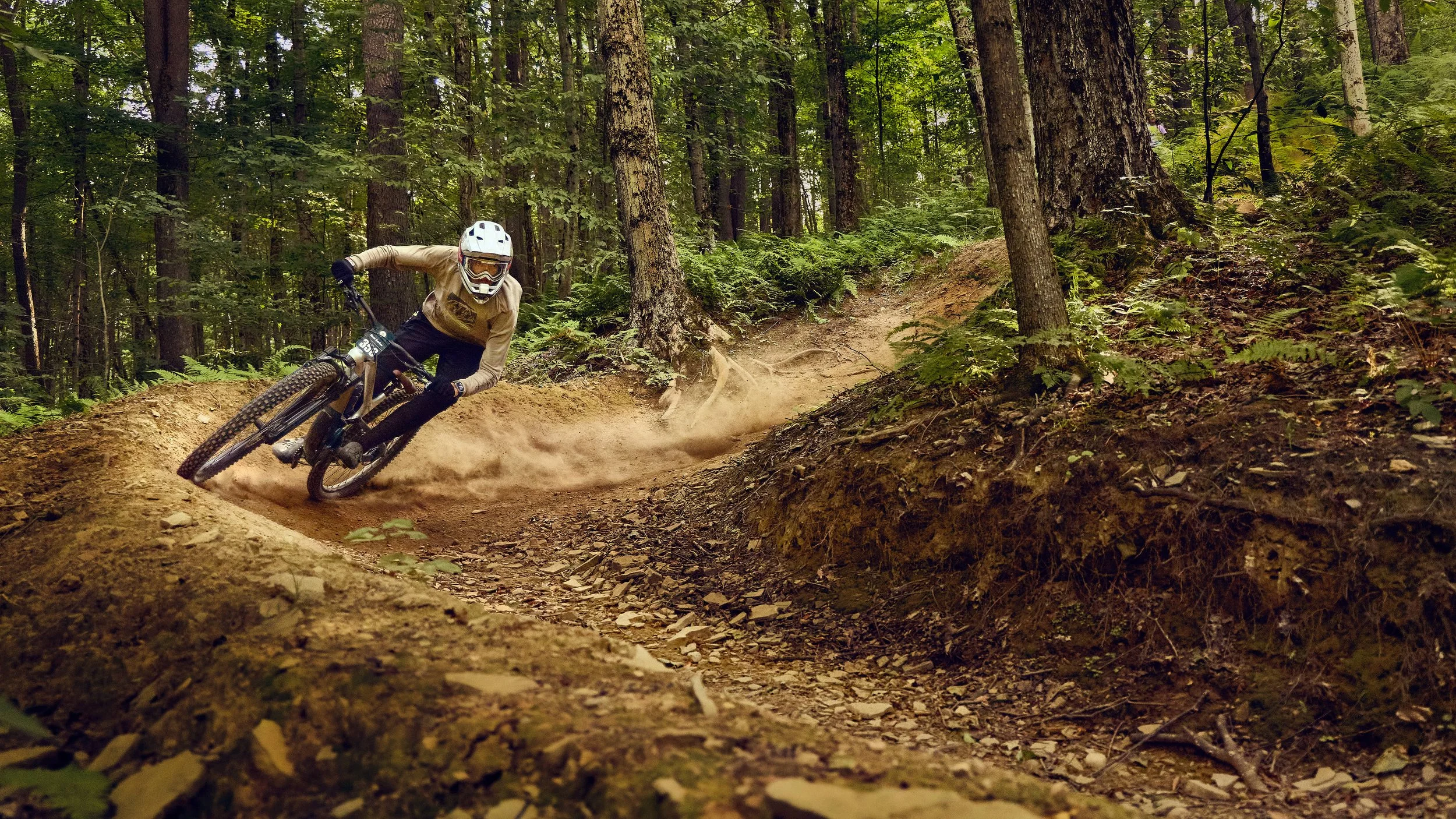
After one downhill race, I'm still working out the difference between capturing spectacle and capturing story, and how much of both end up living in the same frame.
Three Days of Hiking before the Race Ever Started.
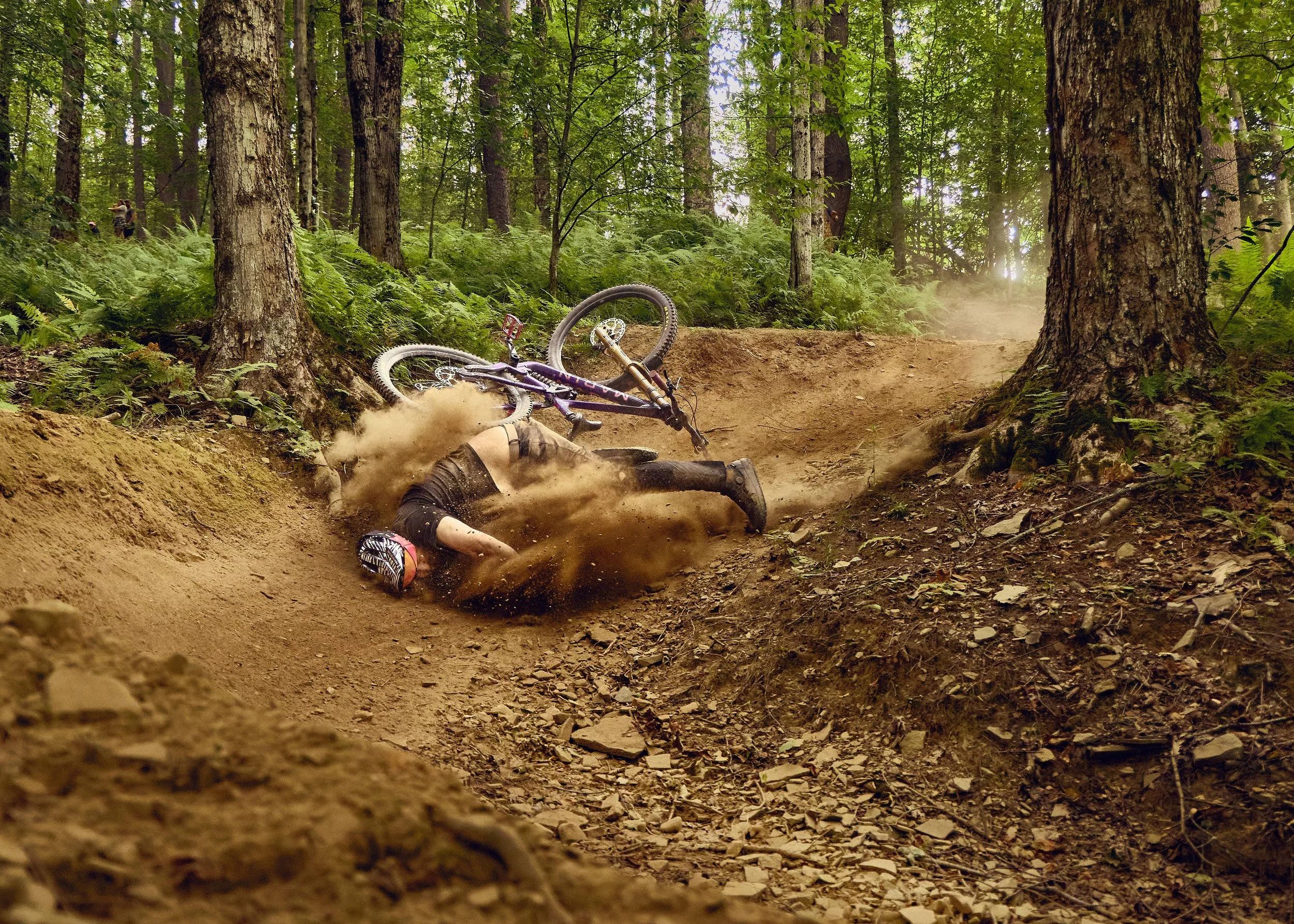
Before I ever shot the race, I spent two and a half days hiking Holimont's trails alone, learning where the light lands and where the story actually is.
The Sound First
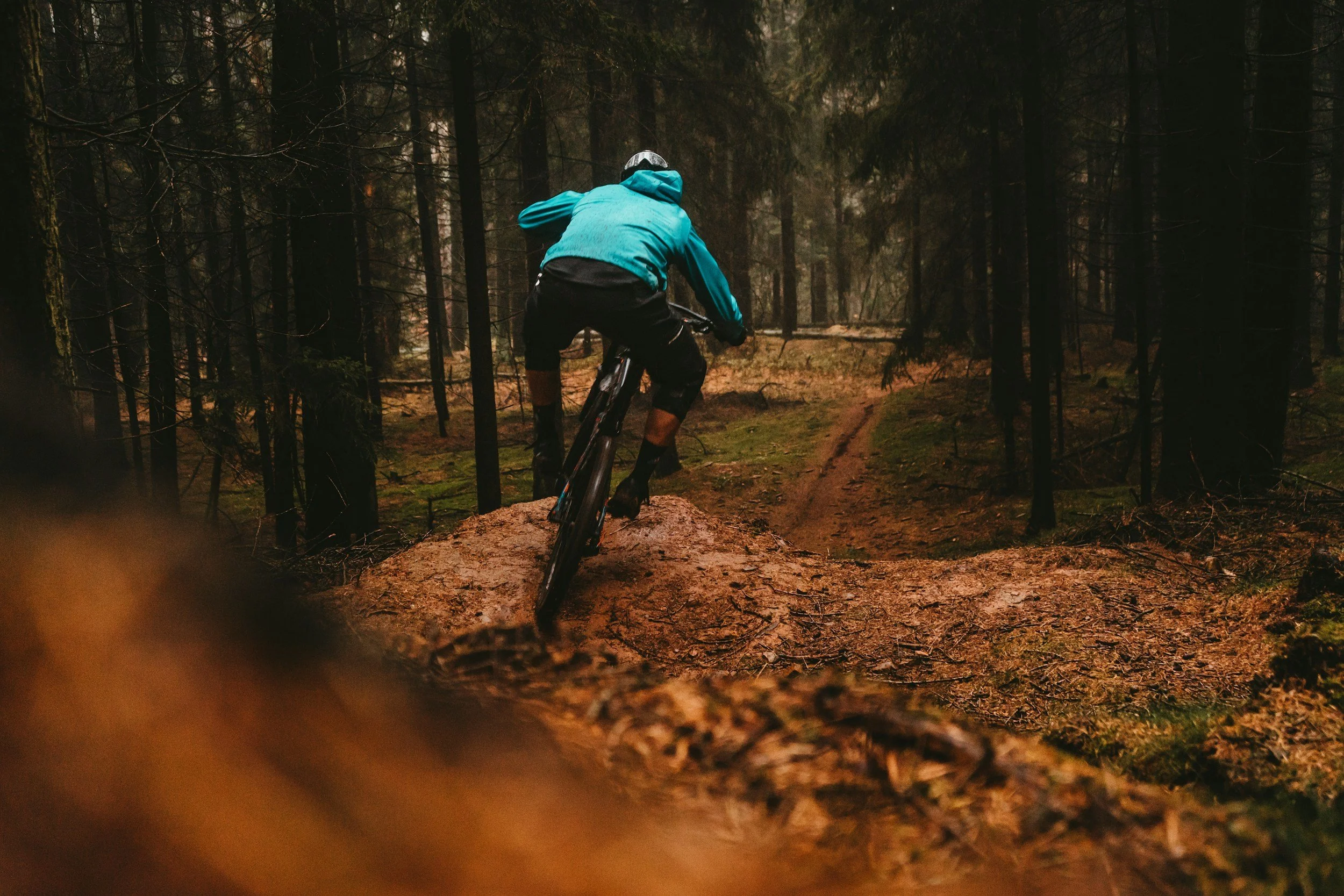
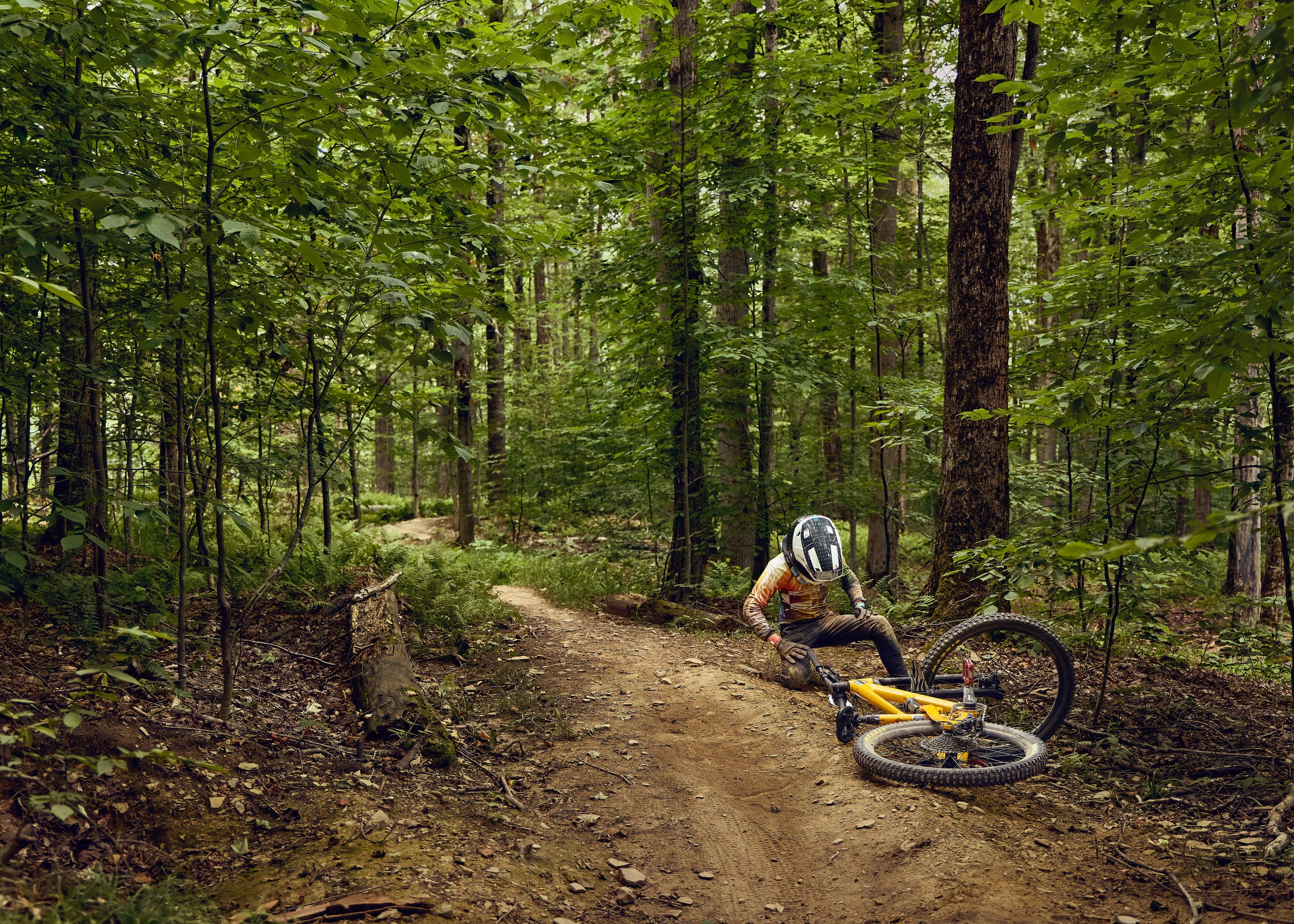
I didn't see the kid crash. I only heard it. A short story about going after the sound, staying with someone until they're okay, and what noticing actually requires.
Do You Ride, Bro?
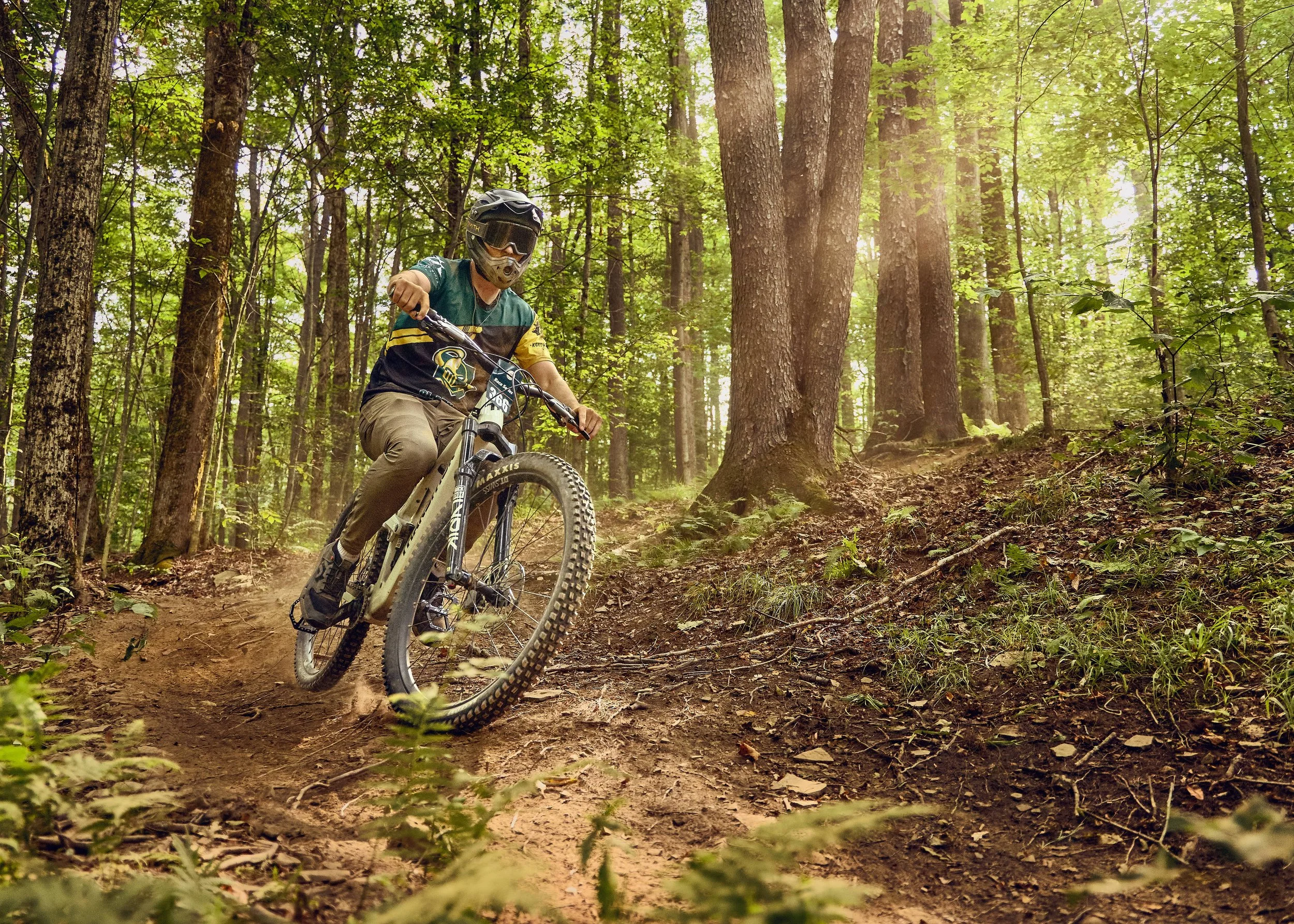
I don't own a mountain bike right now, and that question always catches me off guard. A look at feeling like an outsider on the trail, and why immersion in the work shapes what you can actually capture.
Where to Find Your Event Photos
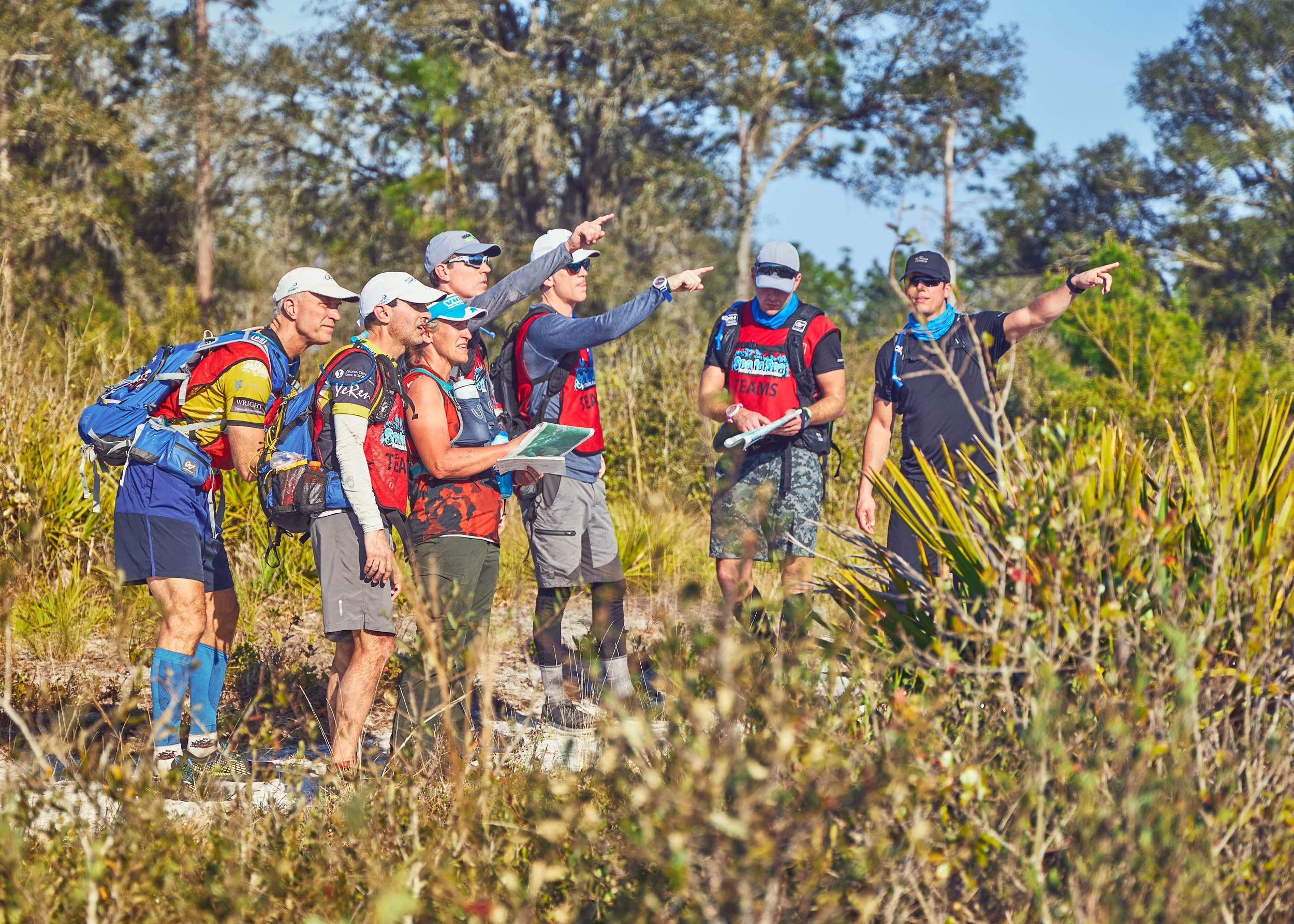
Event galleries from races and outdoor events across Northeast Ohio. Browse, download, and order prints from any event covered by Josh Reuck.
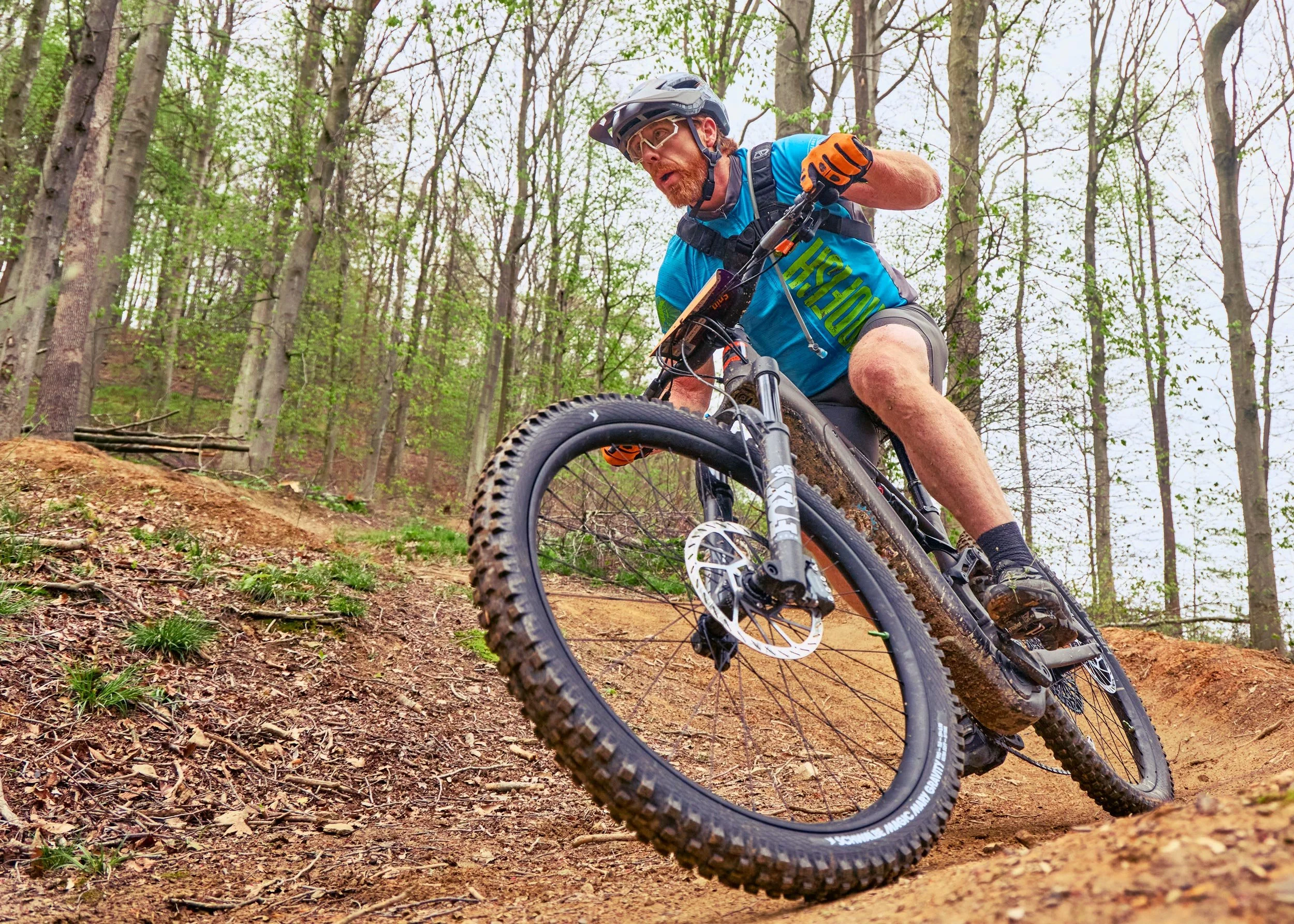
NOMBS at Camp Tuscazoar
Chasing mountain bikers through the hills at Camp Tuscazoar. Moving, catching your breath, finding the angle, repeat.
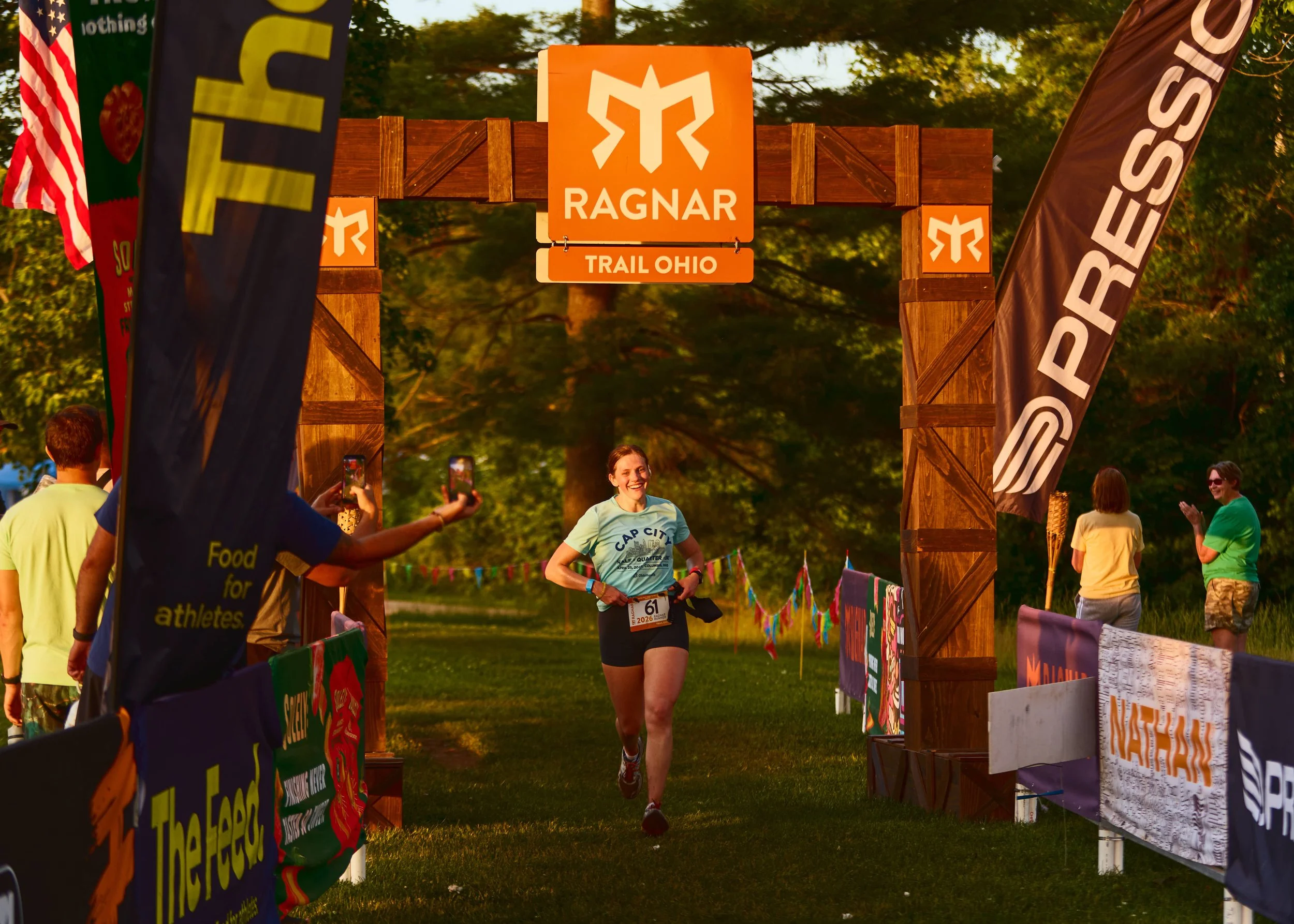
Ragnar Ohio
Runners, relay exchanges, bear scat on the trail, and a campfire still going at sunrise. A few days at Ragnar Trail Ohio.
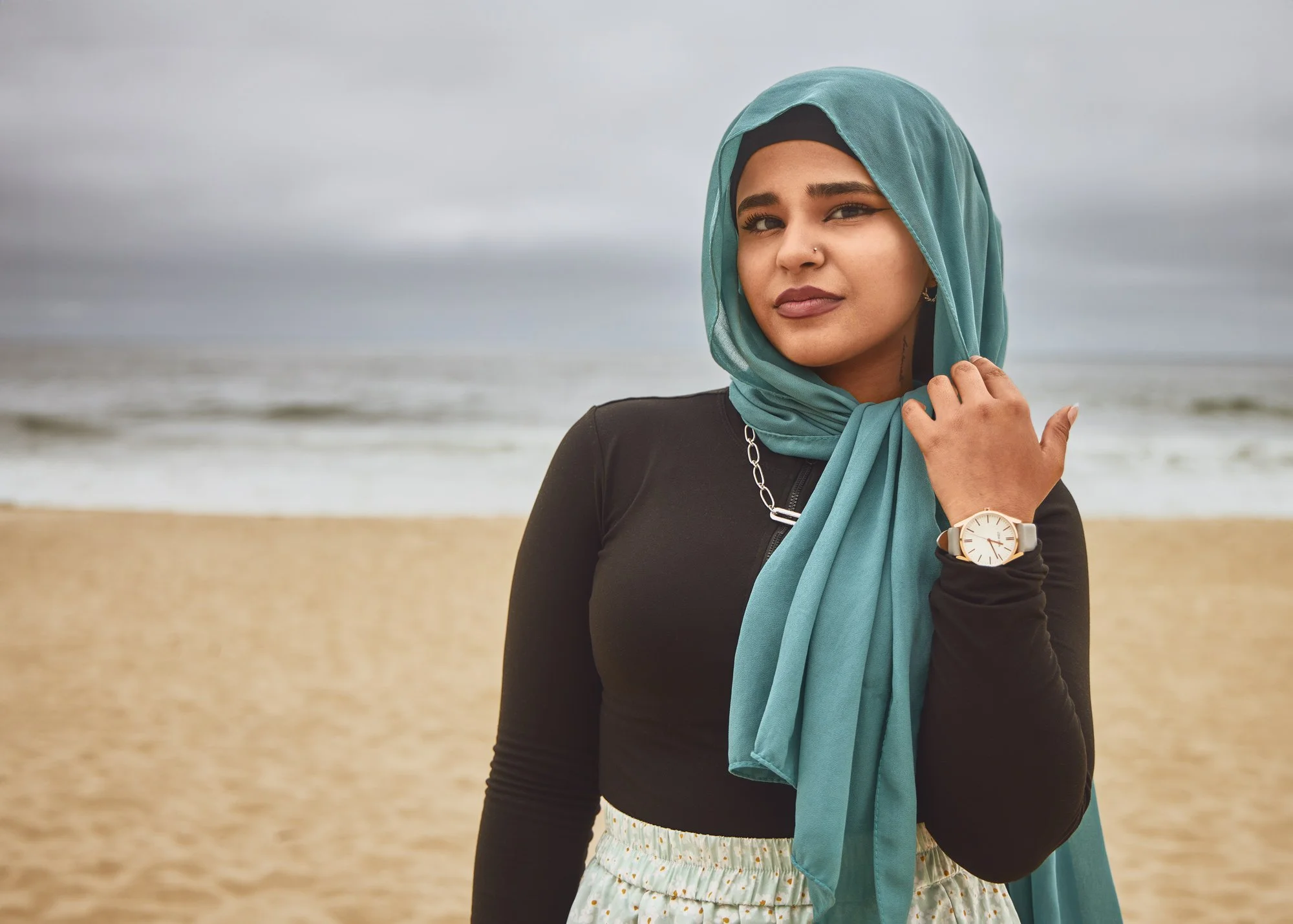
Portraits of Adventure: Where It Stands
An ongoing documentary portrait series photographing people whose lives are shaped by outdoor spaces. 50+ subjects. Northeast Ohio and beyond. Still figuring out what the project is - and that feels important to say.
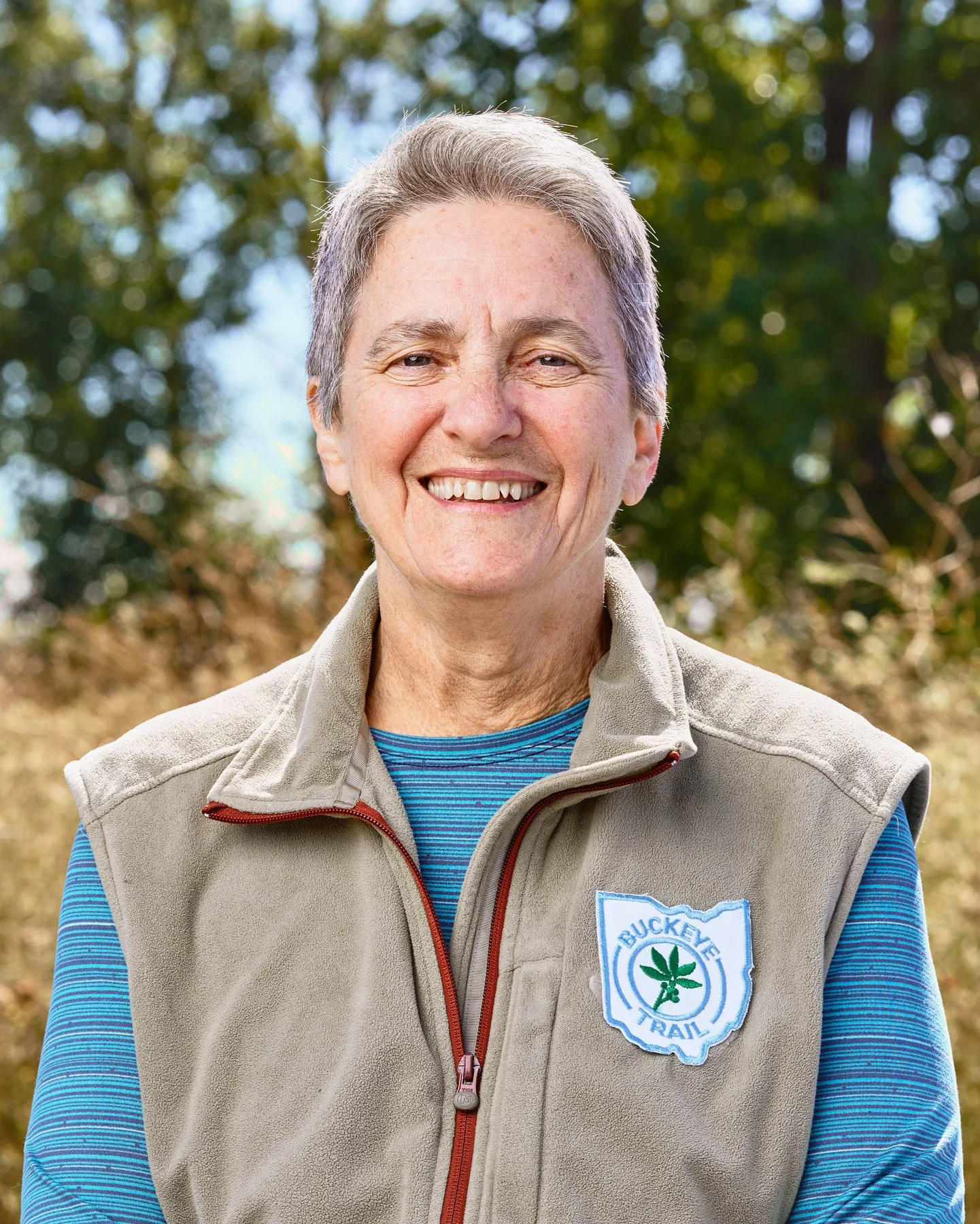
What Actually Happens Before, During, and After Your Headshot Session
Most people show up to a headshot session not knowing what to expect. Here's exactly what I'm doing before you arrive, how I work with you in front of the camera, and why the whole thing matters more than you think.
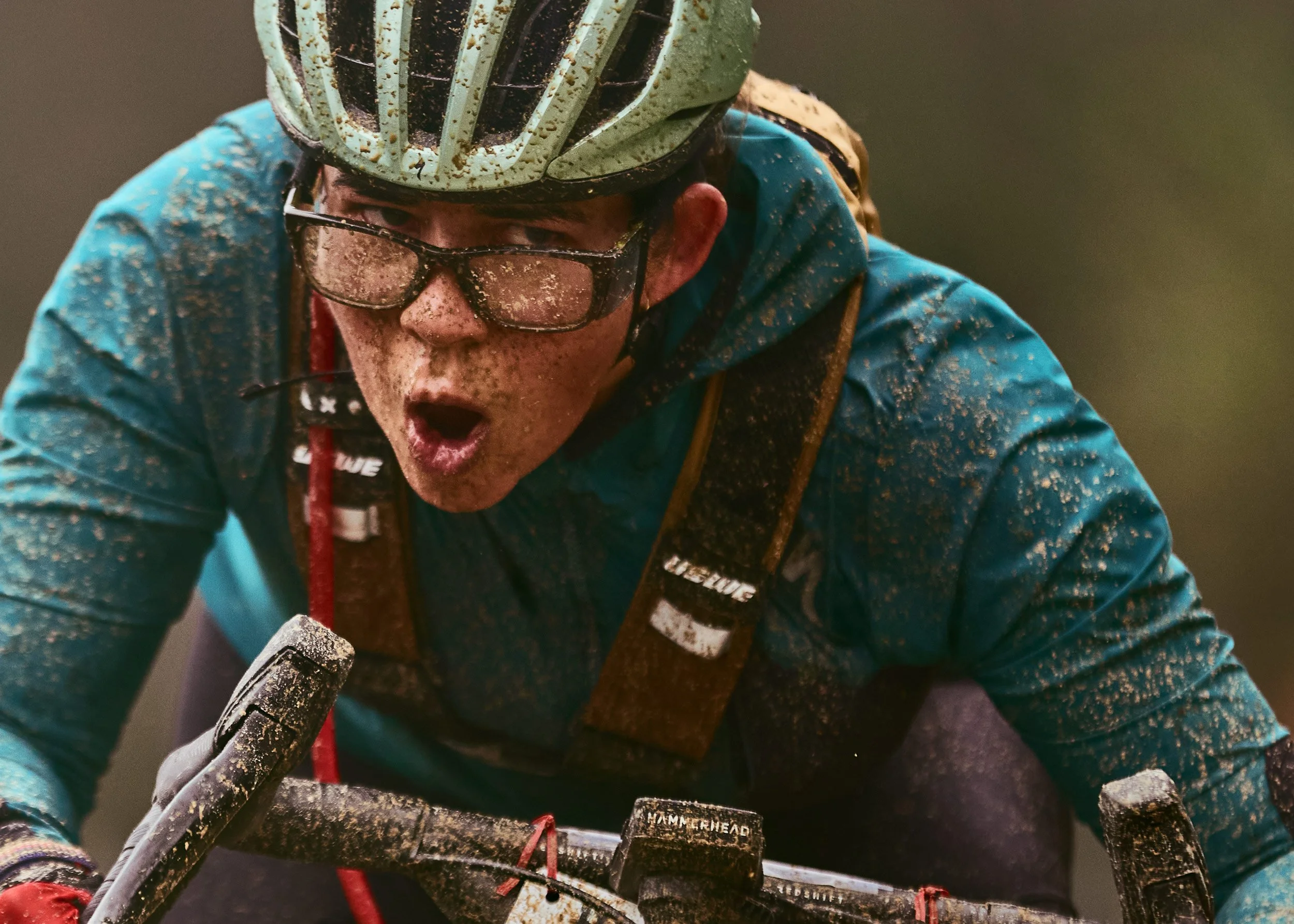
Shooting Barry Roubaix 2026: What I Learned Covering Michigan's Biggest Gravel Race
A first-time look at shooting Barry Roubaix in Hastings, Michigan. What the course looks like from the outside, where the images come from, and what the day actually teaches you.
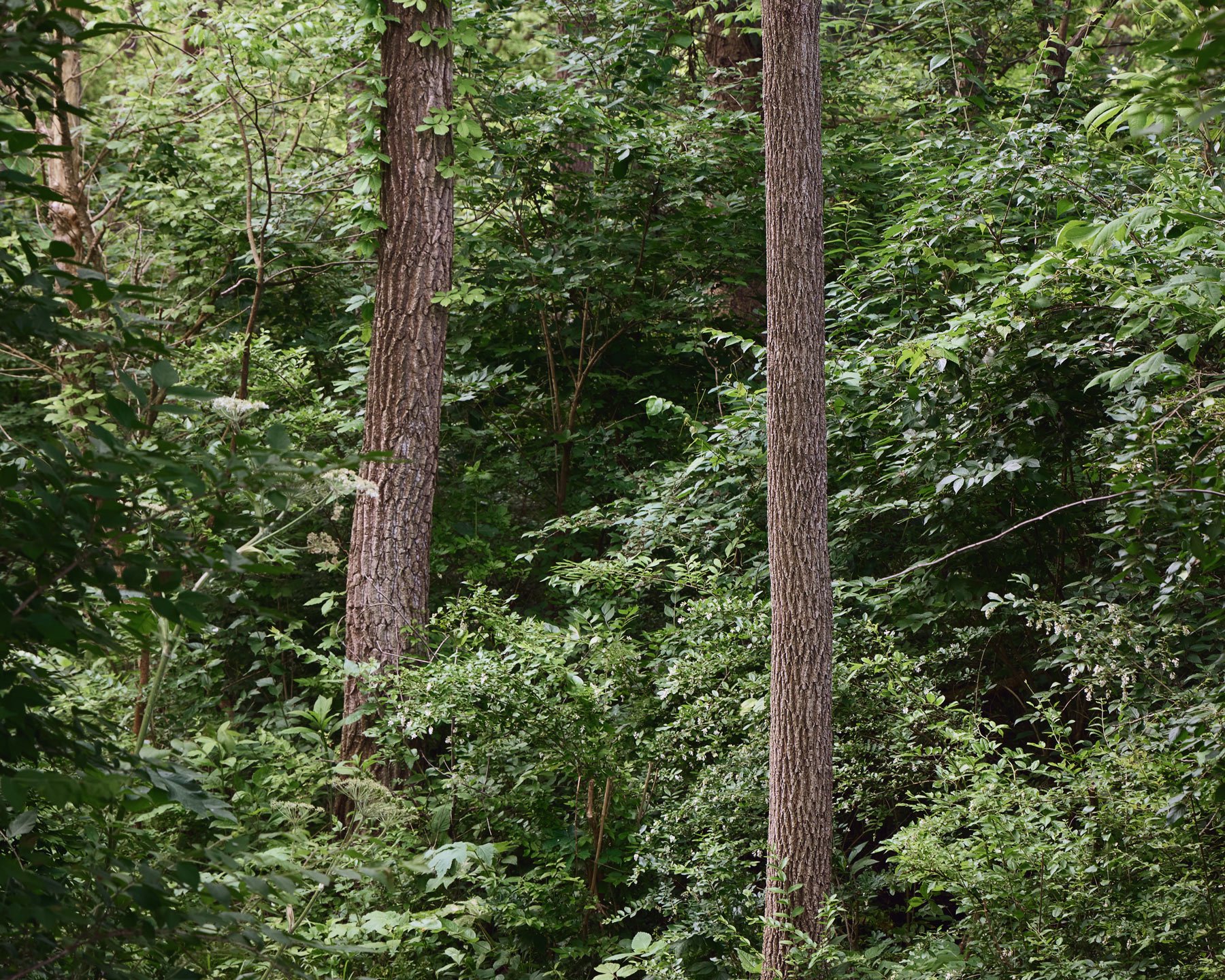
The Tradeoff of Being Outside
Spending time outdoors isn’t just about being outside—it often means leaving something else behind. A reflection on the quiet tradeoffs behind time on the trail.
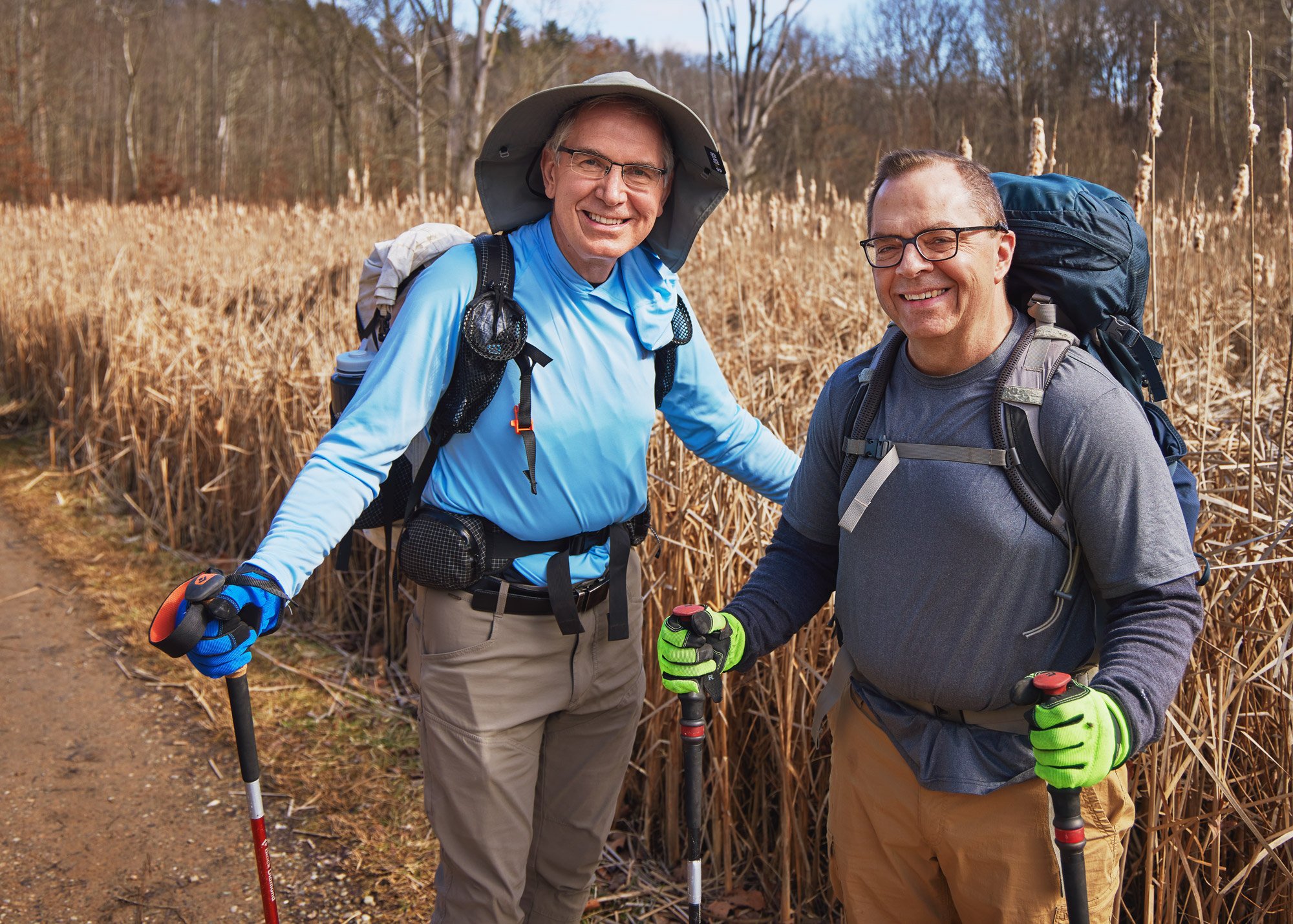
When Preparation Becomes the Experience
Jim and Chris are training for a backpacking trip this summer, loading their packs with water to simulate the weight. But watching them, it became clear that the experience isn’t just the hike itself—it’s everything that happens before it.
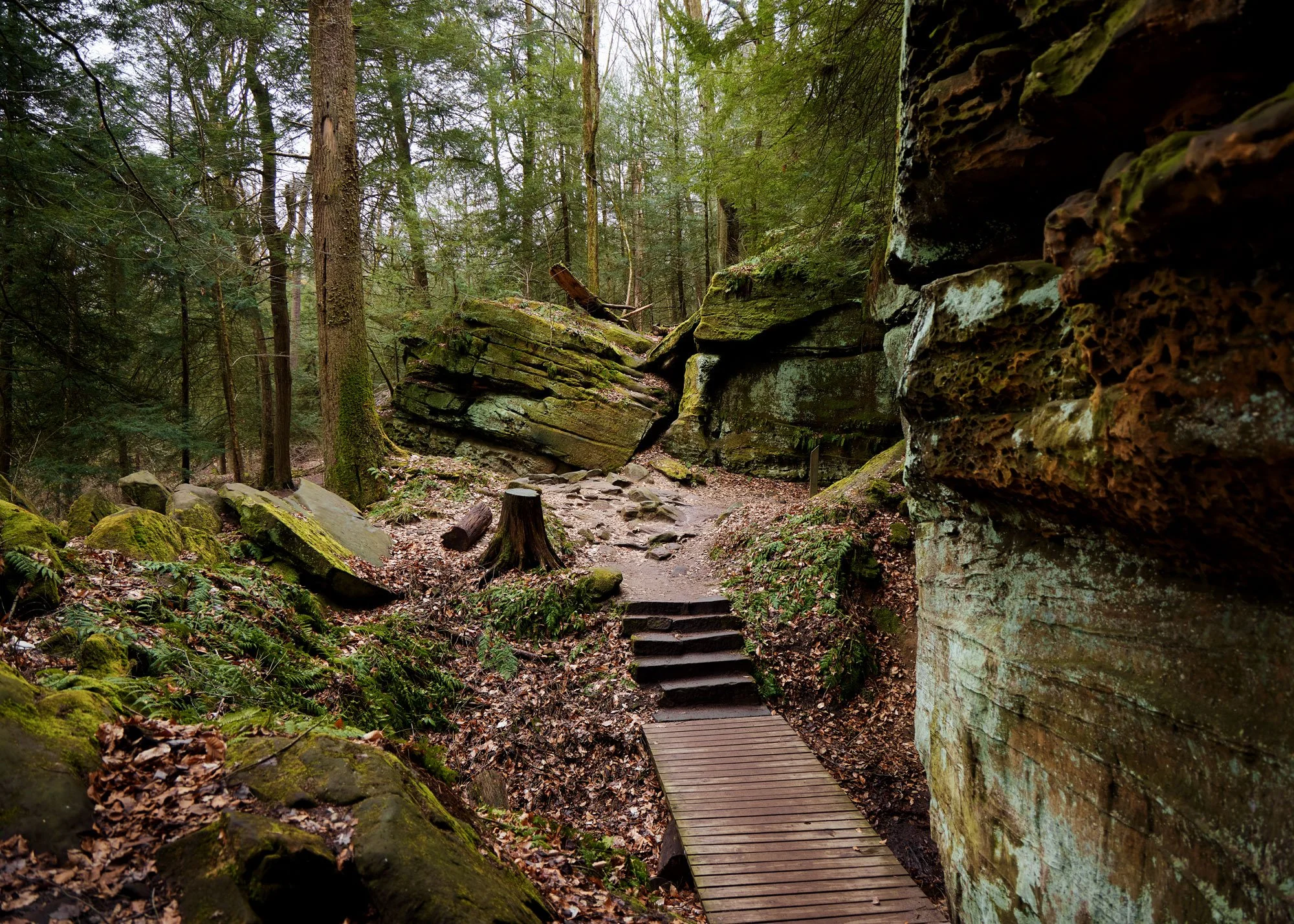
The Work You Don’t See on the Trail
I expected to hear about trail maintenance—clearing paths, marking routes, keeping things intact. But what kept coming up instead was people. Volunteers giving their time not just to protect the trail, but to make sure someone else can find it, step into it, and keep going.
When Experience Becomes Something We Follow
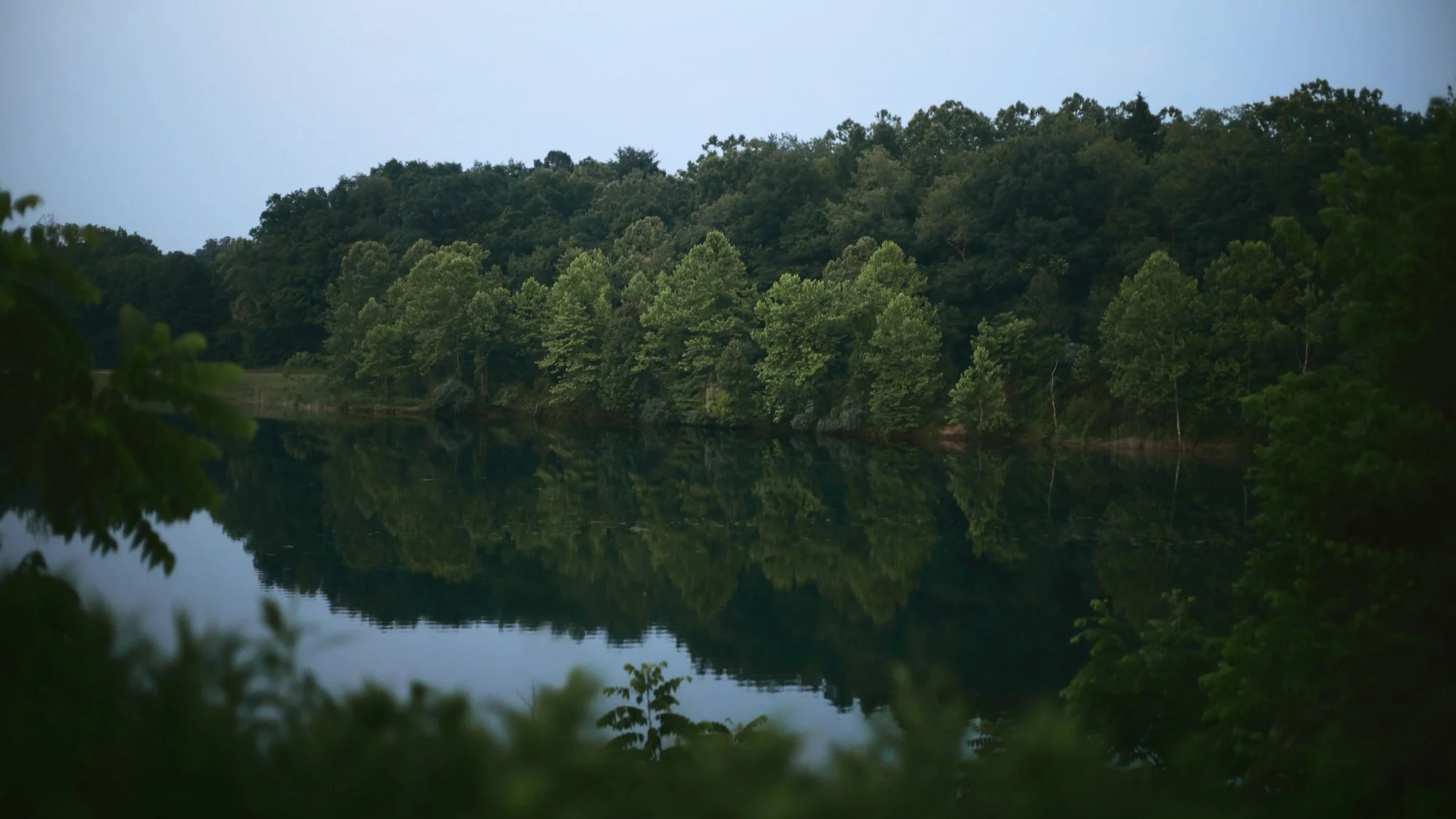
We’ll travel a thousand miles to see something the internet told us to, and miss what was right in front of us along the way. It made me wonder how much of what we experience is actually discovered, and how much of it we arrive already knowing.
How Dogs Change the Way We Experience the Trail
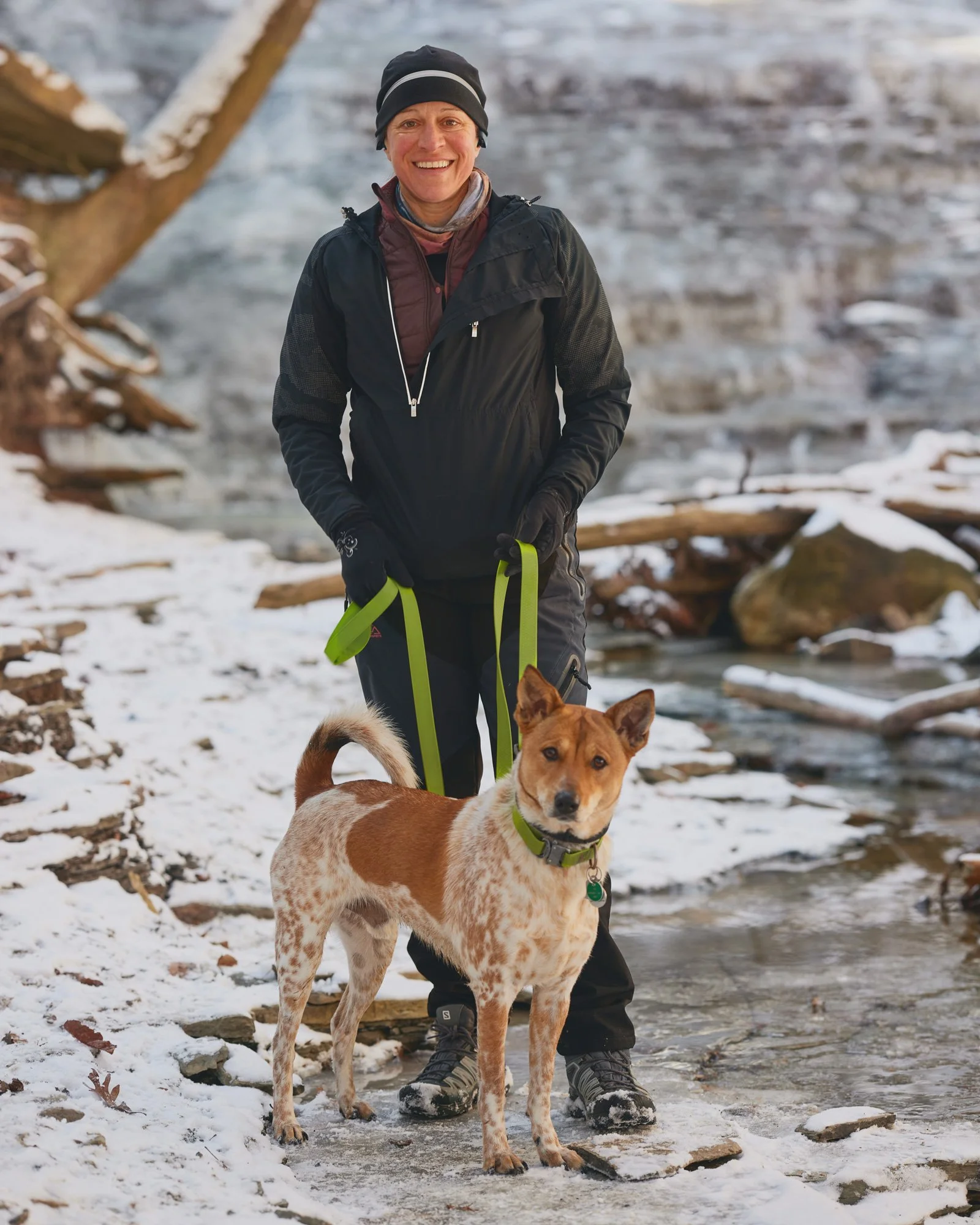
I met them a few miles into the trail, moving through the same place in different ways. It made me wonder how much our experience of a place changes depending on who we’re with.
Spring in the Midwest: A Season of Whiplash and Starting Again
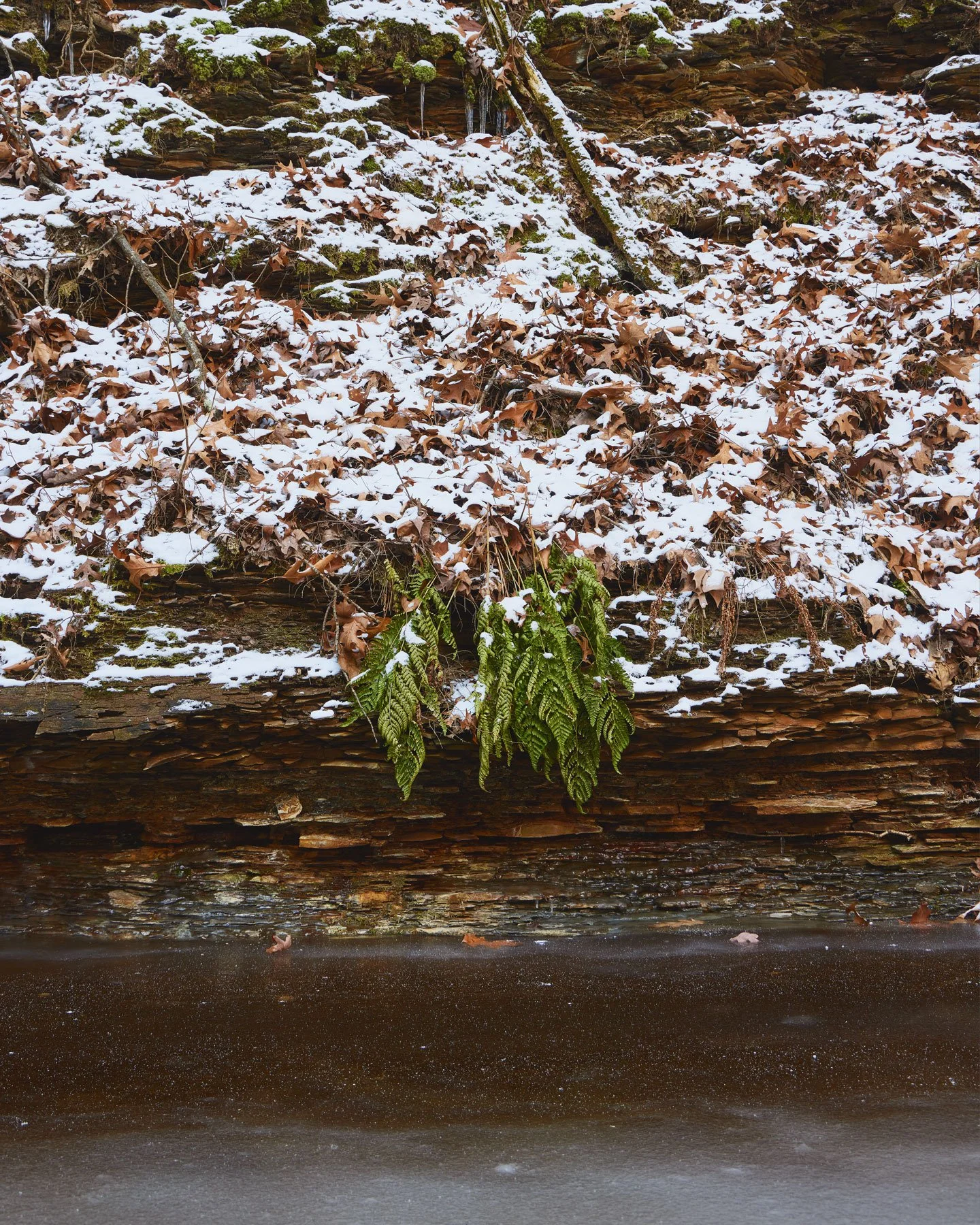
Spring in the Midwest rarely arrives all at once. Warm days pull people back outside, only to be followed by cold snaps that reset everything. This reflection explores how that seasonal whiplash mirrors the slower, less visible process behind building a long-term photography project.
Sometimes Adventure Isn’t About Finishing the Trail
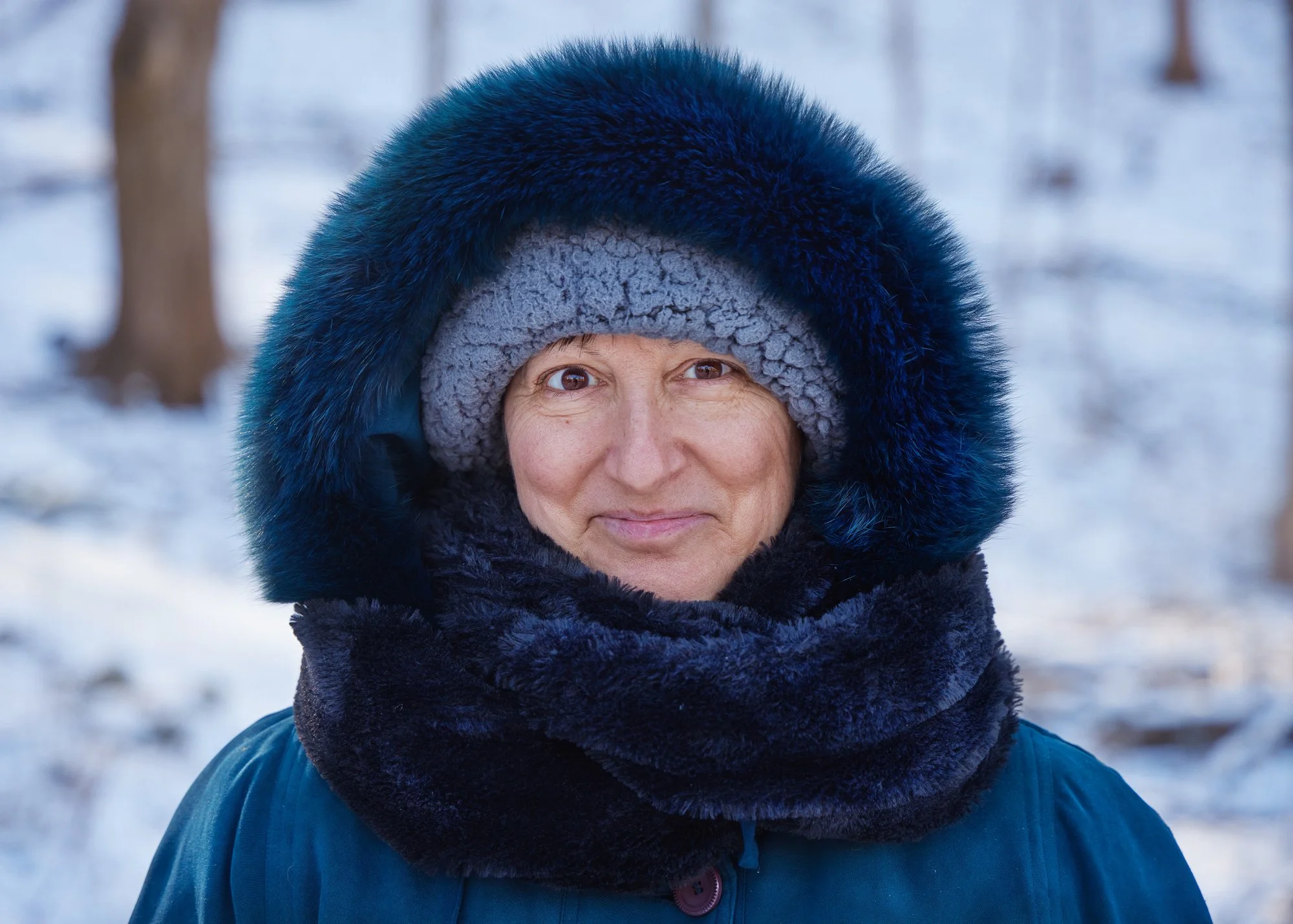
Sometimes adventure isn’t about finishing the trail.
I met Janet while she was meeting her family between the places they now live. They chose a trail for a hike together, but an unexpected climb changed the plan. They never reached the waterfall — and it didn’t seem to matter.
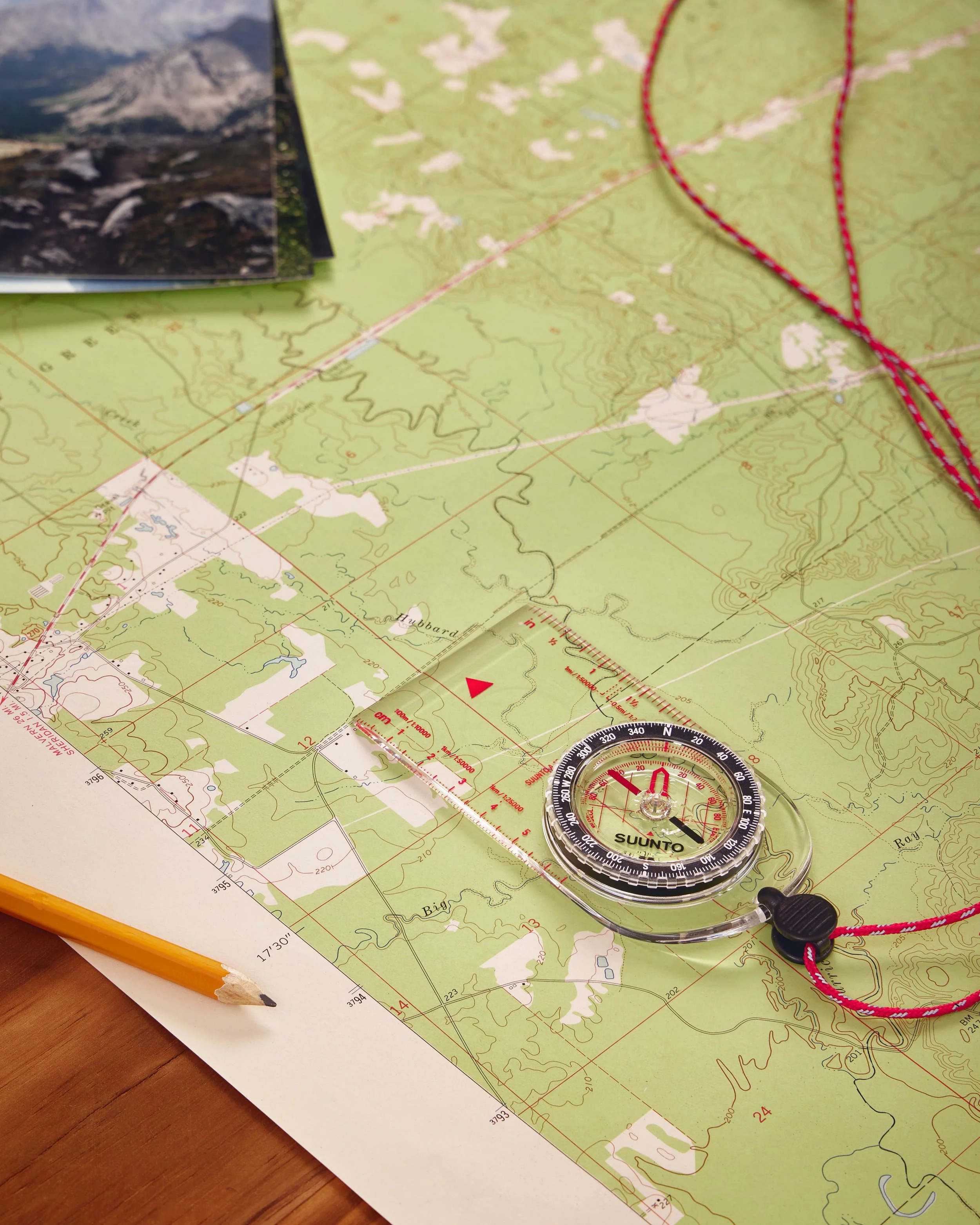
What a Map Can’t Tell you
Maps are useful. They guide us, protect access, and help us plan. But they also flatten places into lines and symbols. This reflection explores what maps leave out, and why experience can’t be replaced by representation.