Portraits
of Adventure
Mission Statement
Portraits of Adventure reveals the human connection to land and outdoor spaces, the culture built around them, and the experiences shaped by place. It exists to protect the spaces where those connections take root.
About
Shared experiences, personal challenges, unexpected conversations, and a growing appreciation for the familiar wild have all reshaped how I see the outdoors. With each person, I discover and rediscover the unique, personal relationship we have to the environment around us. Each encounter reinforces that this connection is worth protecting. It has nothing to do with a brand or societal expectations. It grows out of our individual and collective journeys as we move through the landscape.
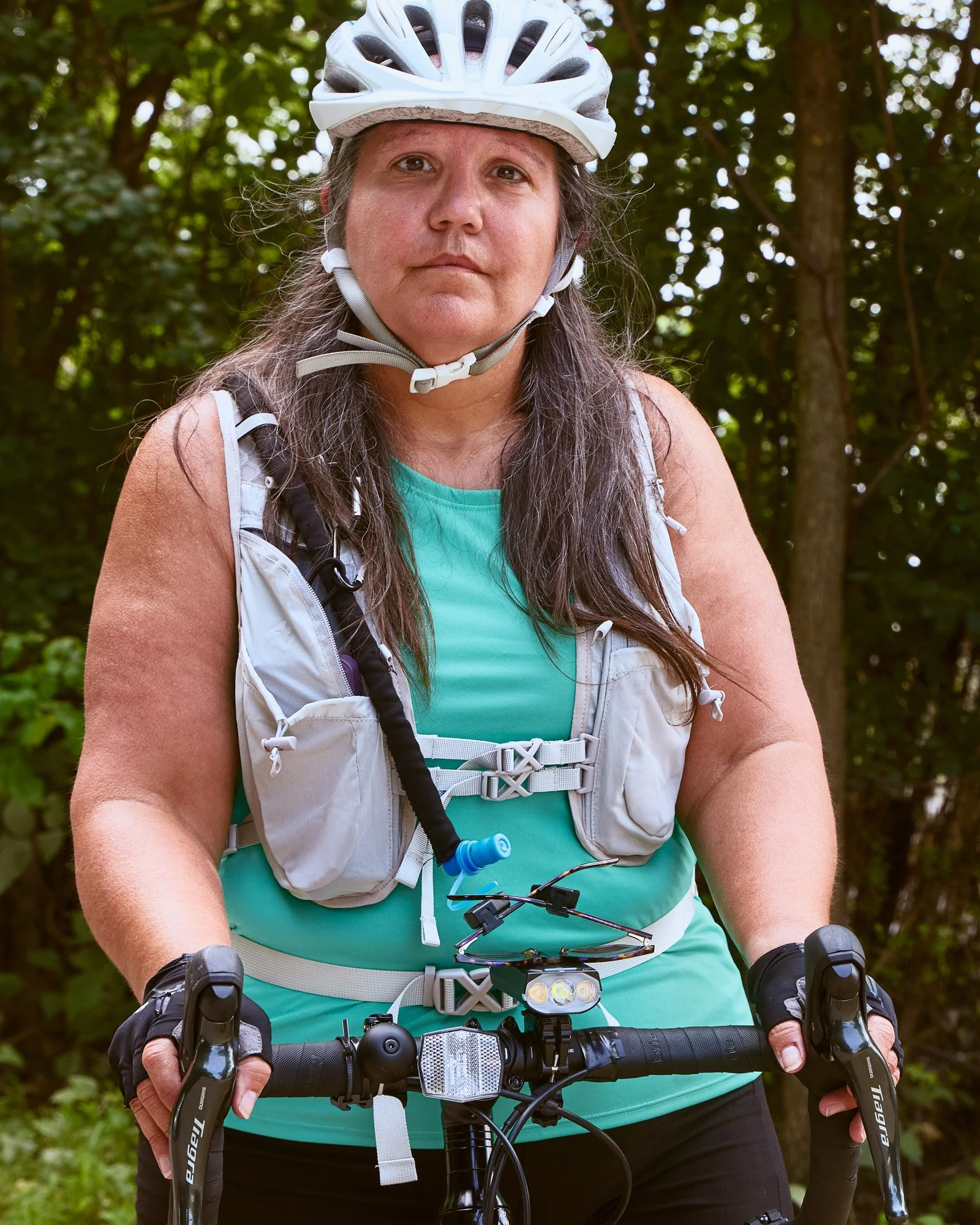
Adventure is found beyond the distant worlds in the folds of National Geographic. My early perspective was anchored in the belief that real adventure was reserved for those who could afford to travel and experience rich, dramatic landscapes. People who wore Patagonia, explored undiscovered places, and lived in a constant state of life or death seemed to hold the monopoly on what adventure meant. For years, I imagined those faraway extremes, but what expanded my understanding of adventure was not distance. It was people.
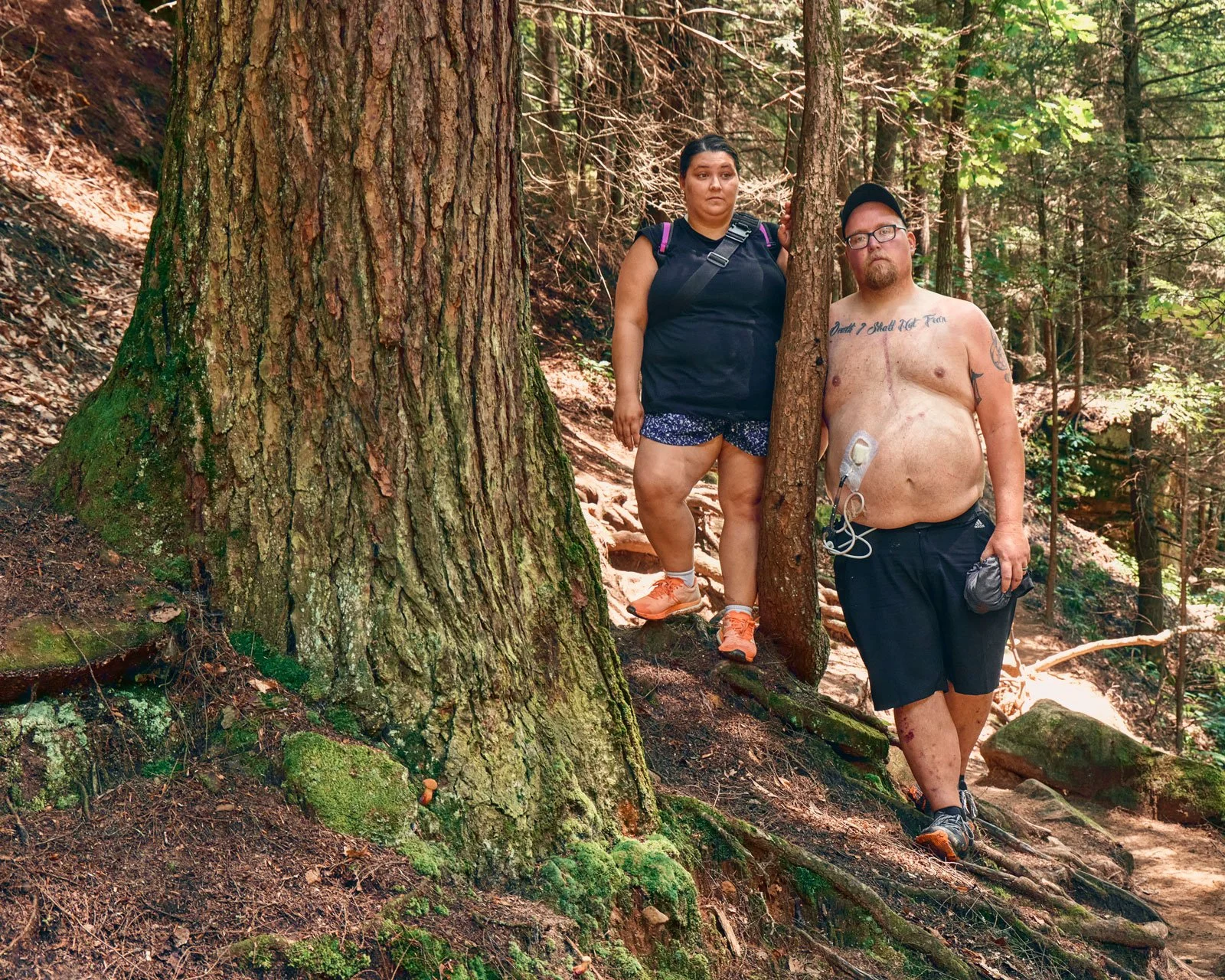
Portraits of Adventure documents these stories. It started by expanding how we define the outdoors and challenging the perception of places like flyover states, land that gets dismissed because it isn't dramatic or remote. That instinct isn't meant to stop at the edge of the American Midwest. It's built to carry the same way into a coastline, a mountain pass, open water, land that's farmed instead of visited, wherever a person's relationship to a place runs deep. All land, regardless of elevation, geography, or use, offers value and meaning. Whether a flat city park where you climbed your first tree, a muddy trail in late fall, or a river bend you have visited for decades, these places shape us. They reveal how people explore new things, find reflection, belong, and experience joy in landscapes that society might dismiss as unremarkable or unproductive.
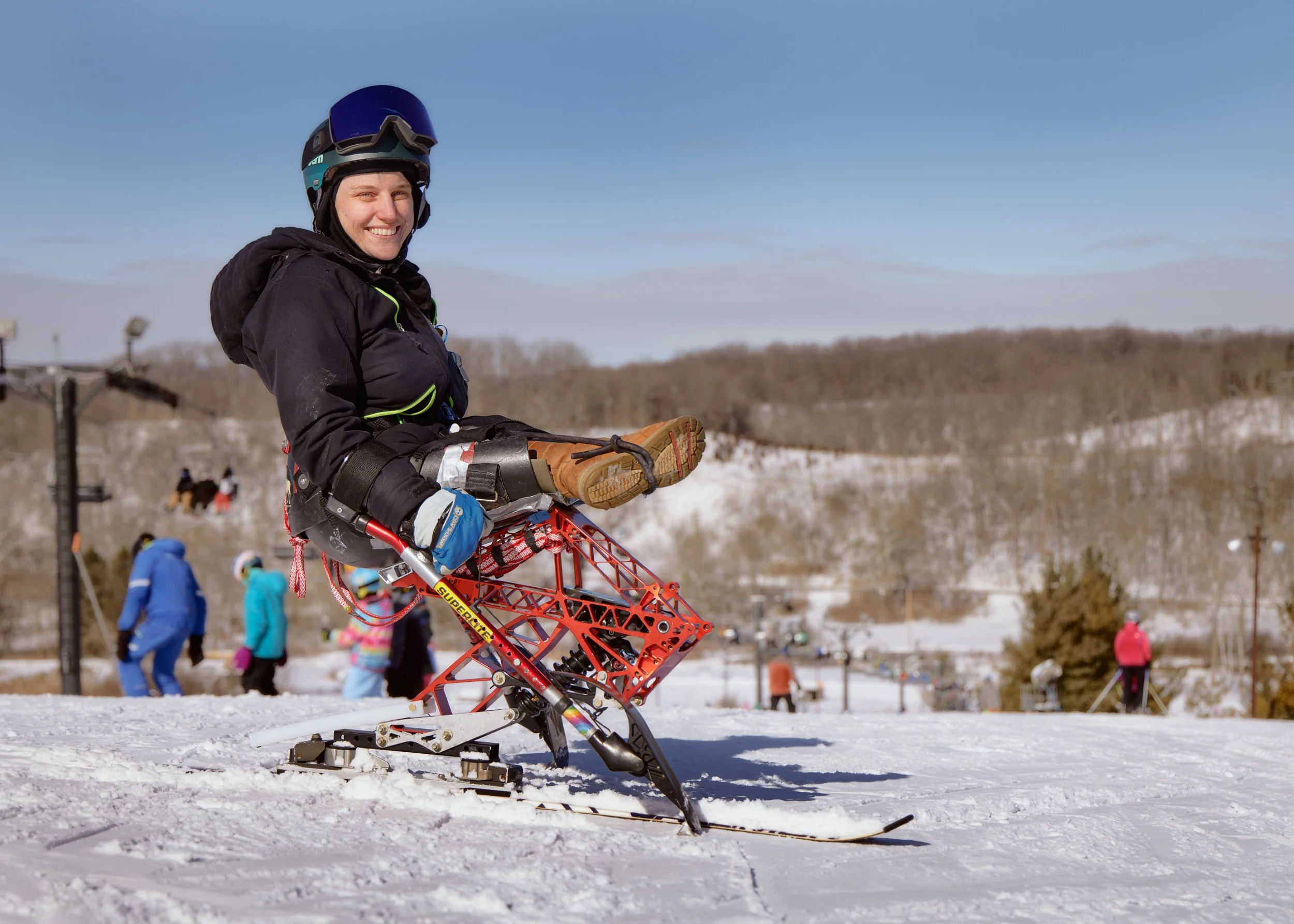
What matters is not the scale of the place. A person who finds purpose on a five-acre loop is not less of an adventurer than someone trekking across the Andes. In many ways, those who find depth and beauty in modest, accessible spaces show us something profound. They remind us that after the moment passes, nothing needed to be purchased. Adventure is a way of noticing. It is a willingness to see meaning where others might walk past. It is an opportunity to slow down and notice life in motion. In the end, the landscape supports the story, where the story is human.
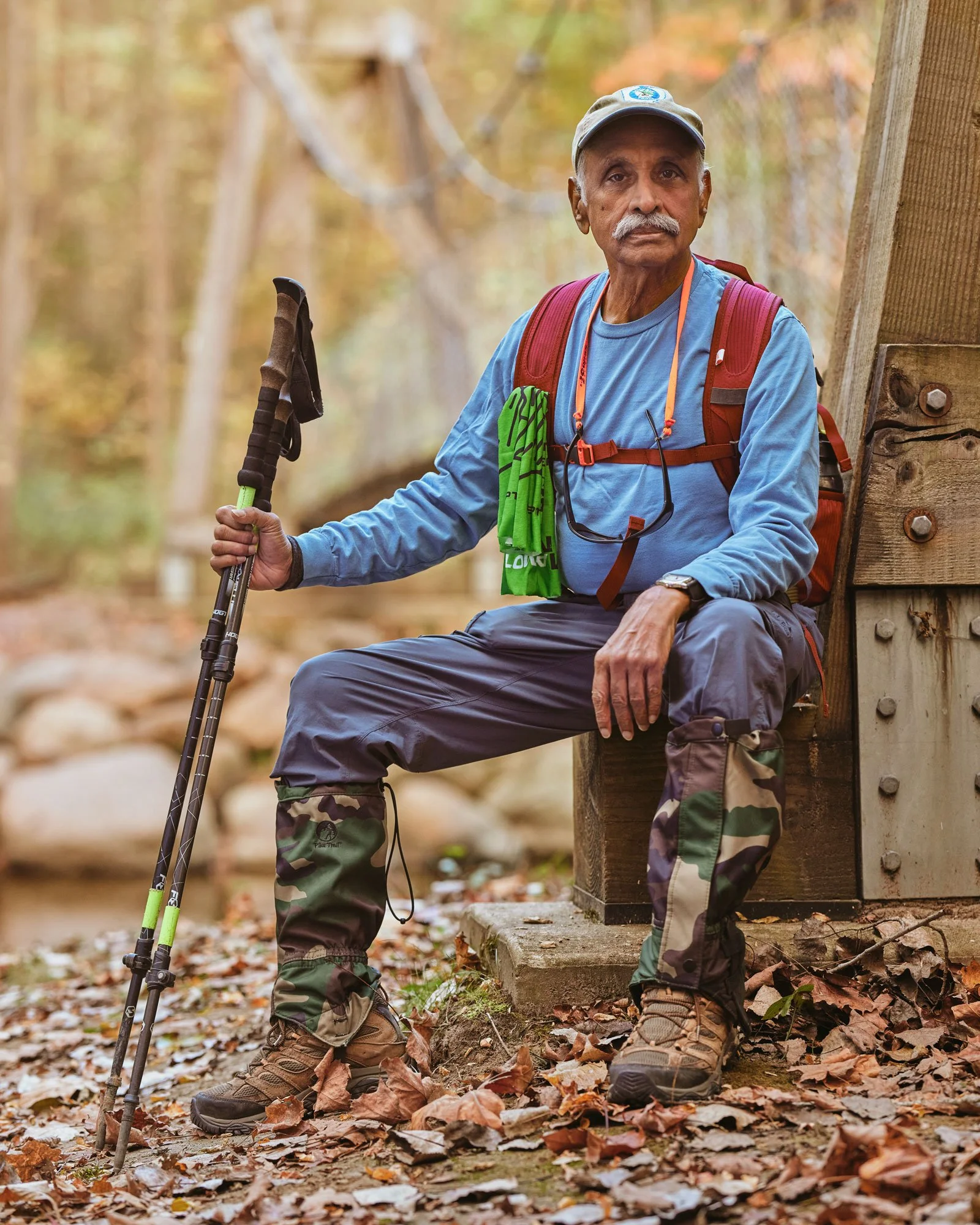
At the same time, the project does not compare or rank what counts as adventure. It is not about placing someone on a pedestal or suggesting that one approach is more legitimate than another. Instead, it seeks to uncover our connection to place. How does someone raised among cornfields discover awe. What grounds a person who was born in the mountains in contrast to someone born by the sea. What does someone who works a piece of land see in it that a visitor never will? How does someone learn to appreciate what they have before seeking the exotic spaces that feel distant or unattainable? Are we shaped by our surroundings, or do we shape them through what we choose to see?
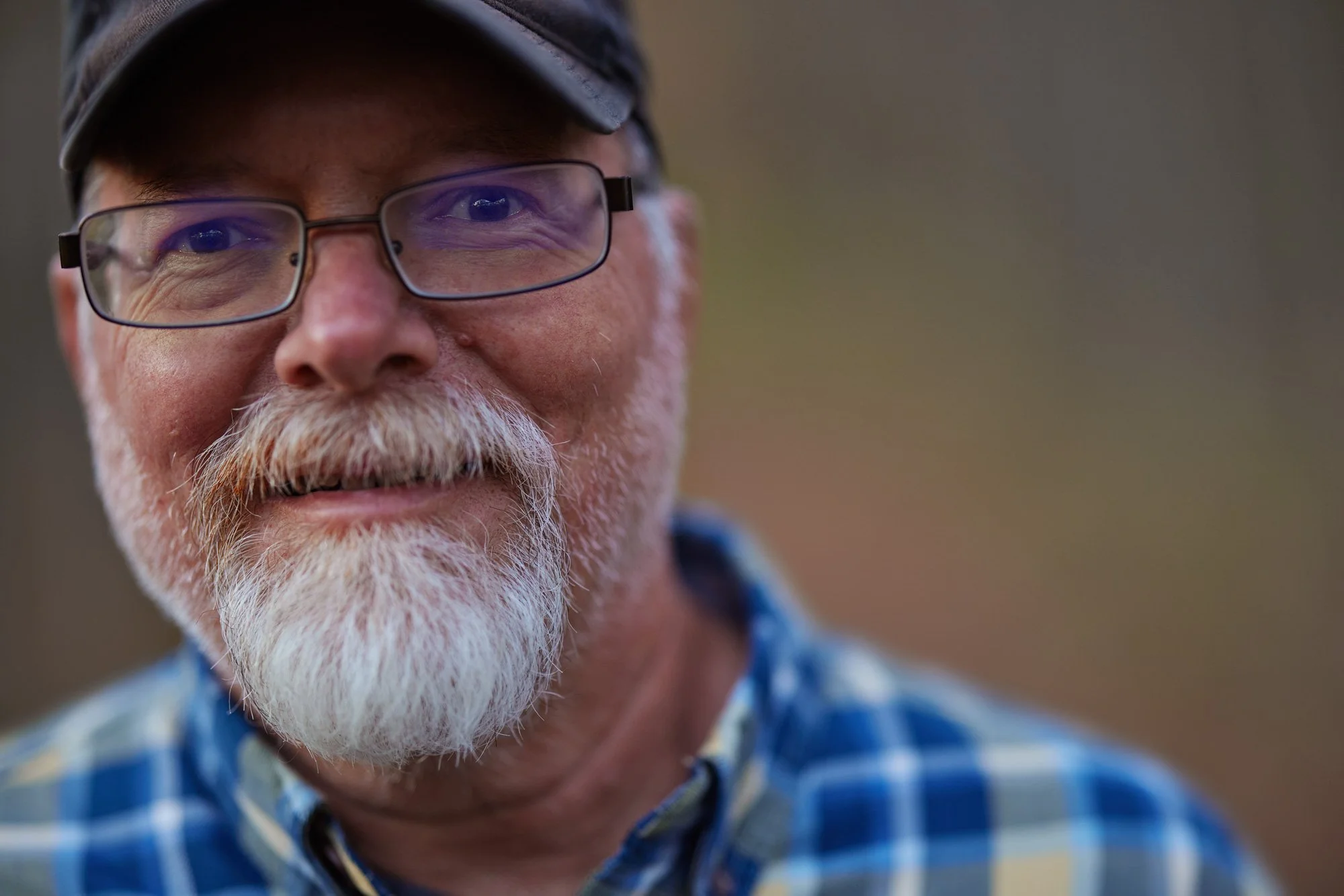
Portraits of Adventure is a portrait of belonging. It invites people to see land and the outdoors not simply as scenery but as shared ground that connects us beyond status, geography, or difference. Adventure is for everyone, and the project seeks to highlight individual experiences that collectively bring us together. In these moments, land places us side by side, revealing our common search for meaning.
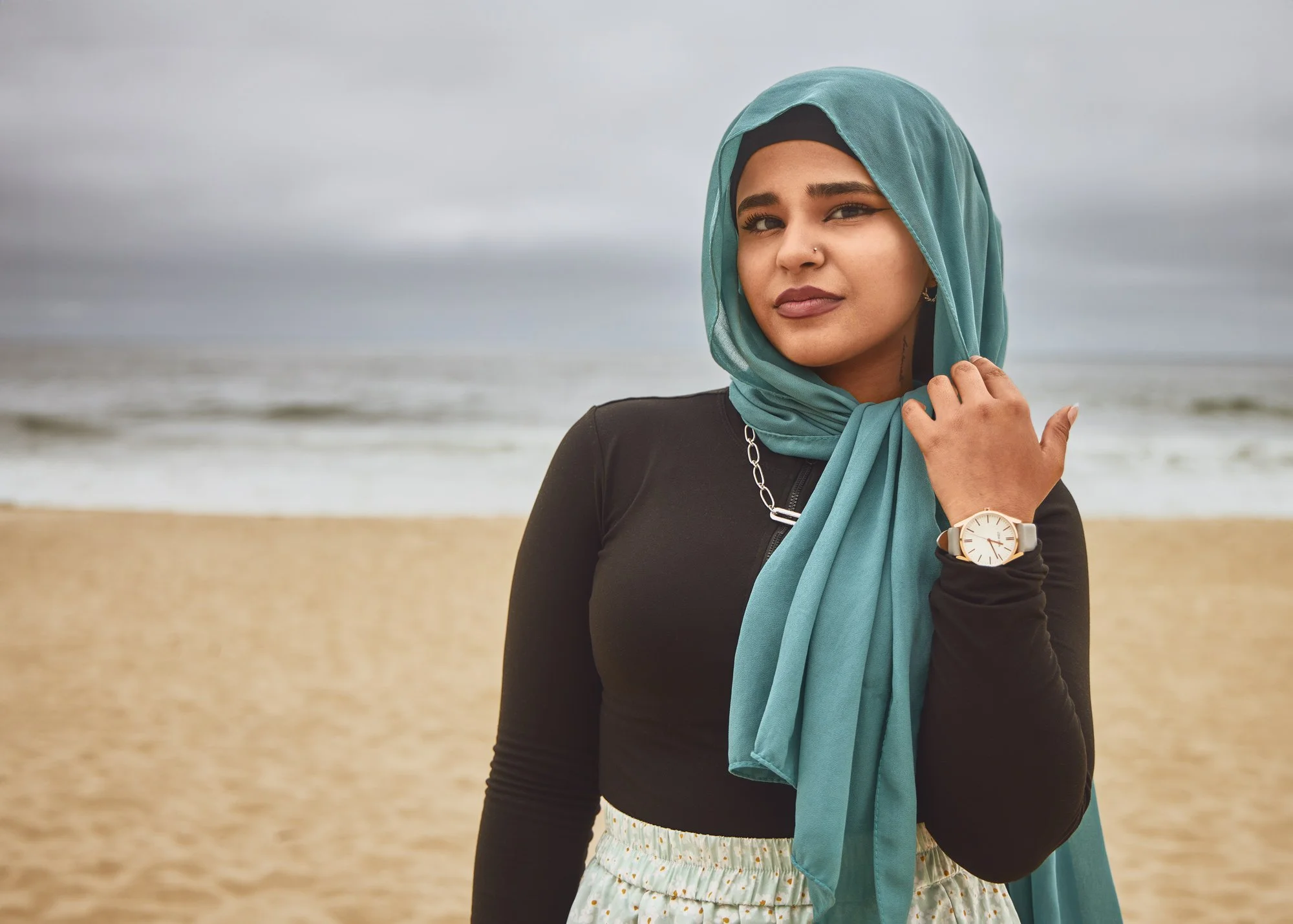
But belonging is not where this stops. If a place shapes a person the way these portraits suggest, that place is worth keeping. That is the ground this project stands on: people are the reason these spaces matter, and showing that connection is one way of making the case for protecting them.
What began as portraits in the American Midwest is built to grow into an ongoing conversation between people and land, one not meant to stop at any single country or way of relating to place. It is a living record of curiosity, resilience, and the work of protecting the ground beneath it. As the project grows, partnerships will carry these stories to new communities and support the people doing that work, however they spend their days in nature.