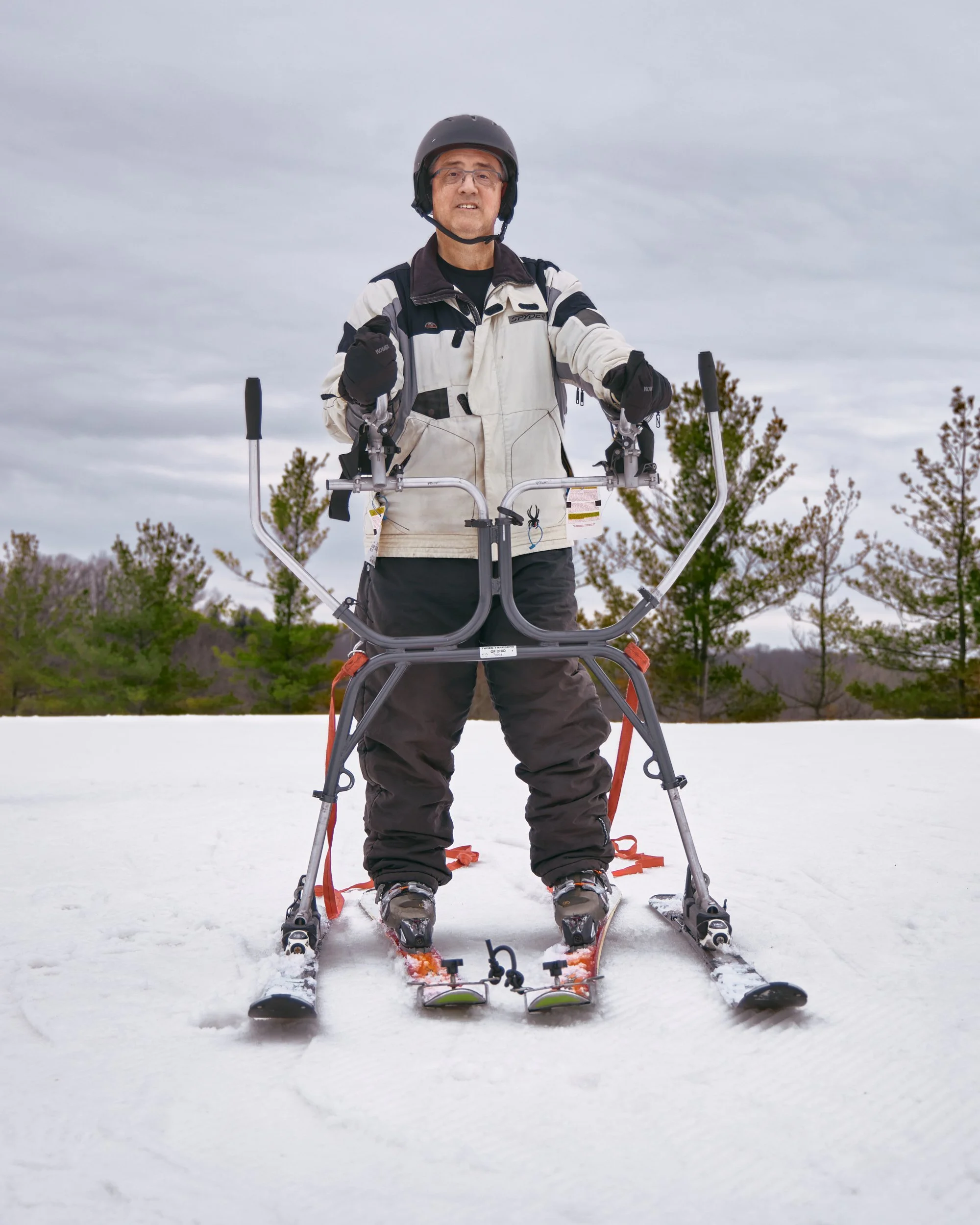
Portraits of Adventure / 3 Trackers / Mark
Mark
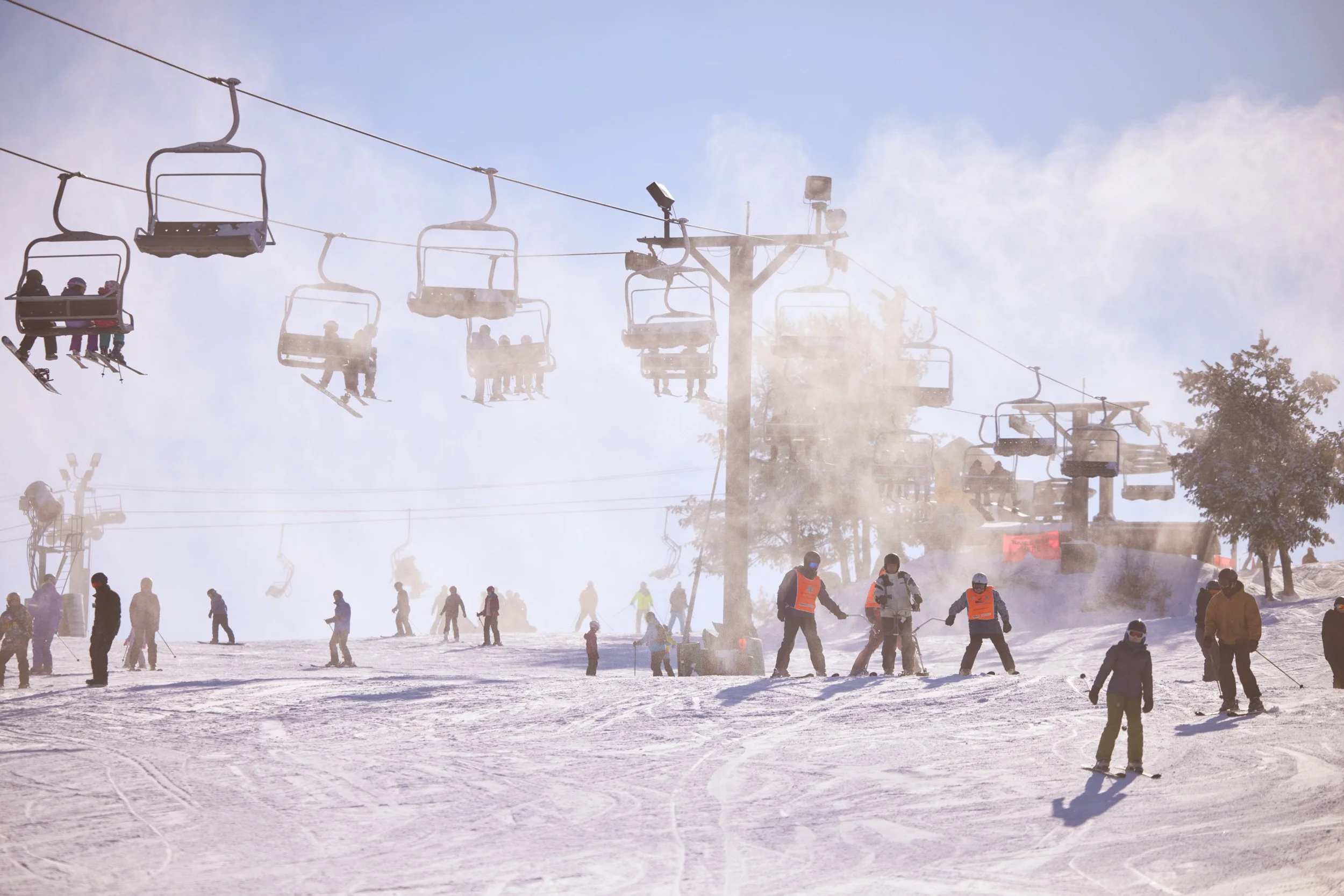
Brandywine Ski Resort, Ohio
February 2026
Mark Fabin learned to ski well before 3 Trackers in his mid-20s. Peak and Peak, in western New York, where his friends gave him the basics and came back later to put him on a T-bar he wasn't ready for. He grabbed on with his arms, rode it up sideways, arrived at the top wiped out, and still had to get down a harder hill. After his learning curve, Holiday Valley, Peak and Peak, Seven Springs were his places to ski. He traveled out west once, Vermont a couple of times, and kept this going until marriage and kids slowed things down. When the kids were old enough, he found his way back out with the family. When his kids were four or five, he put them in skis and they all went together. They're 33, 29, and 24 now. Two of them were at Brandywine earlier this season, and the third came out later in the season, all to support him, and of course have their fun.
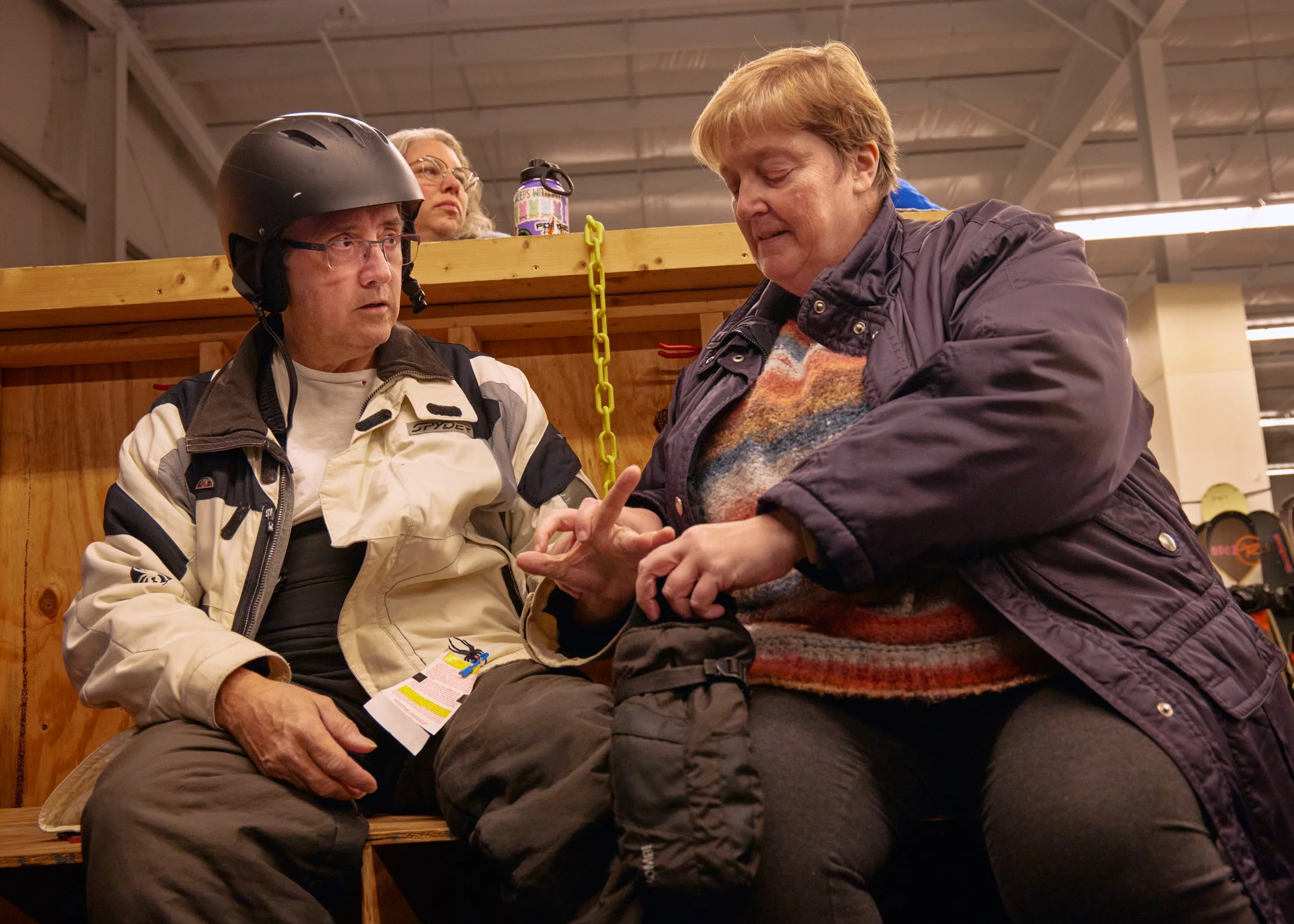
A stroke hit Mark in May of 2023, affecting the left side. His left arm can’t grip the way it used to, and he has trouble with mobility. Everyday things like buttoning a shirt that used to be automatic stopped being automatic. He tells the story of picking up mail off the floor at the post office when he dropped it. As two guys on either side of him offered to help, Mark expressed his stubbornness, said no, knowing he probably couldn't, but needed to try. He doesn’t love the work, but he’s back at it, 40 hours a week, up from 10. His biggest point of frustration isn’t the mistakes he makes, but in how they are handled, not in the friendly way like on the ski hill. He describes it plainly, without self-pity, the fact for him is that everyday life since the stroke is more depressing than it used to be. Skiing is now one of the highlights of his year.
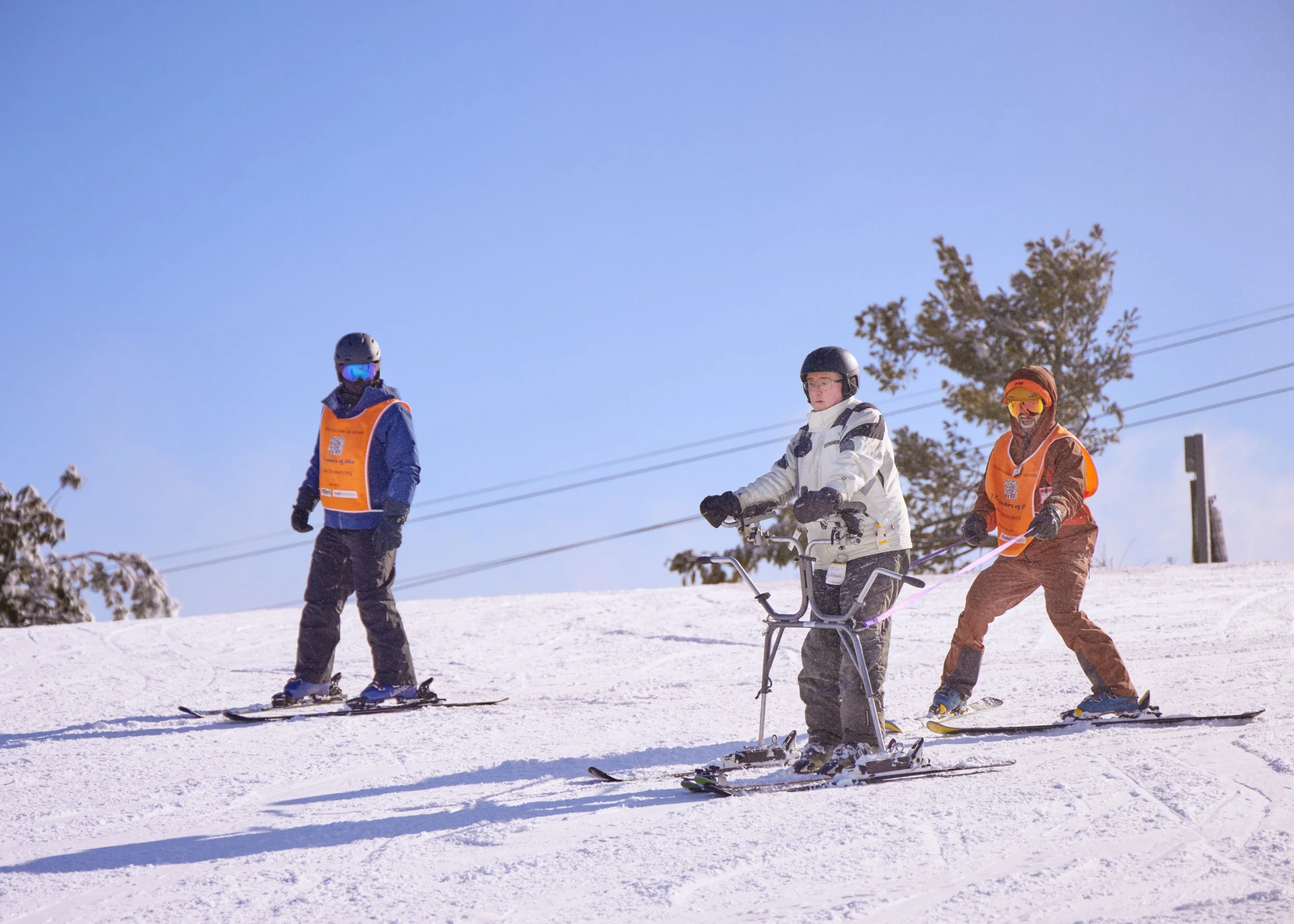
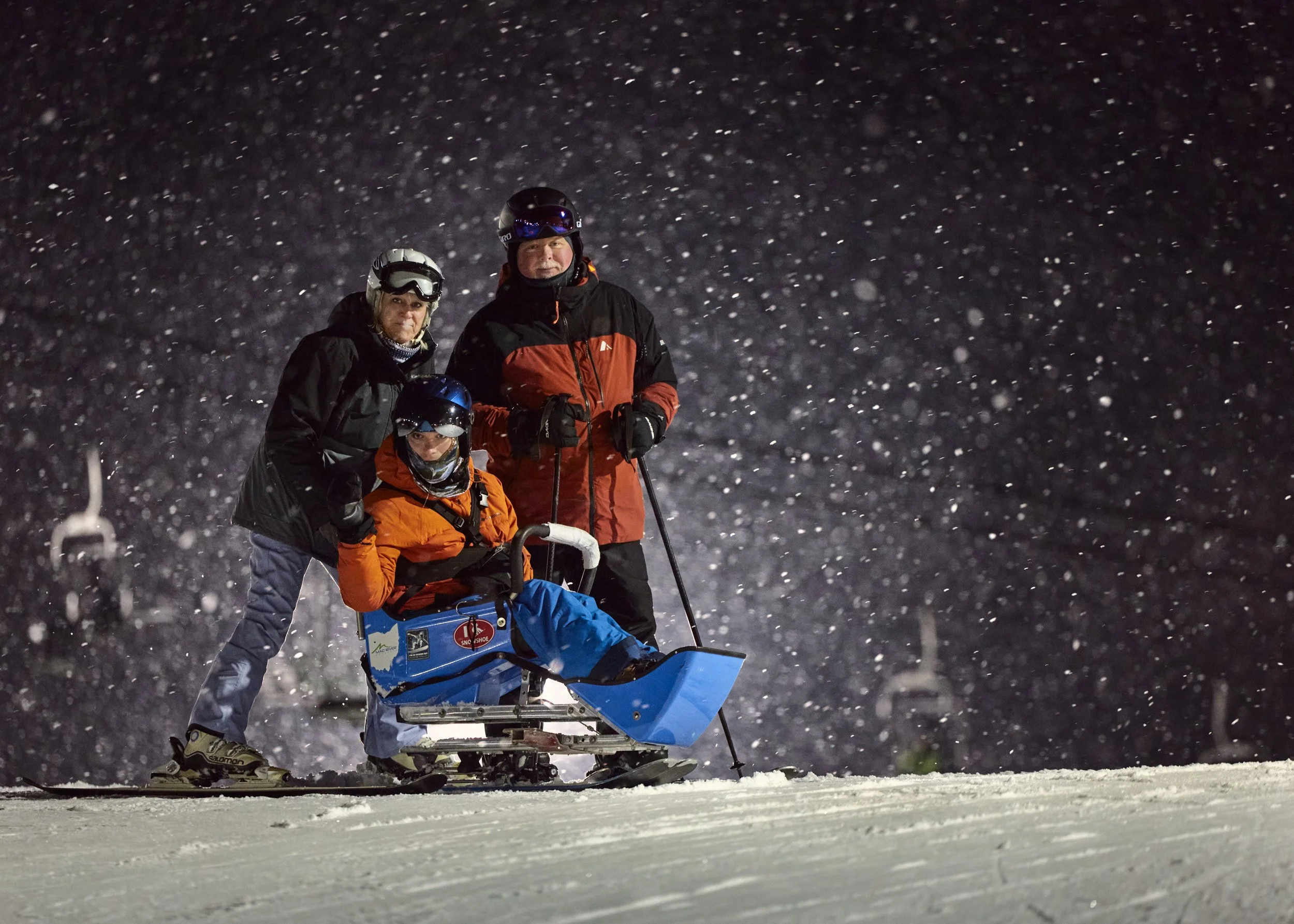
A ski shop in Chesterland told him and his wife about 3 Trackers. Eight months after the stroke, Mark started skiing in January 2024. First on a slider, staying on easy trails, he was apprehensive, knowing he wasn't strong enough yet for much. The next season he was riding the chair. His wife has been there every Sunday, watching, keeping track of his nervousness before heads out, pushing him when he needs it. She talks about the exoskeleton suit they used in early rehab, a device that moved his leg when his leg just barely twitched, training the brain-to-body connection back. She's been engineering his recovery from the beginning.
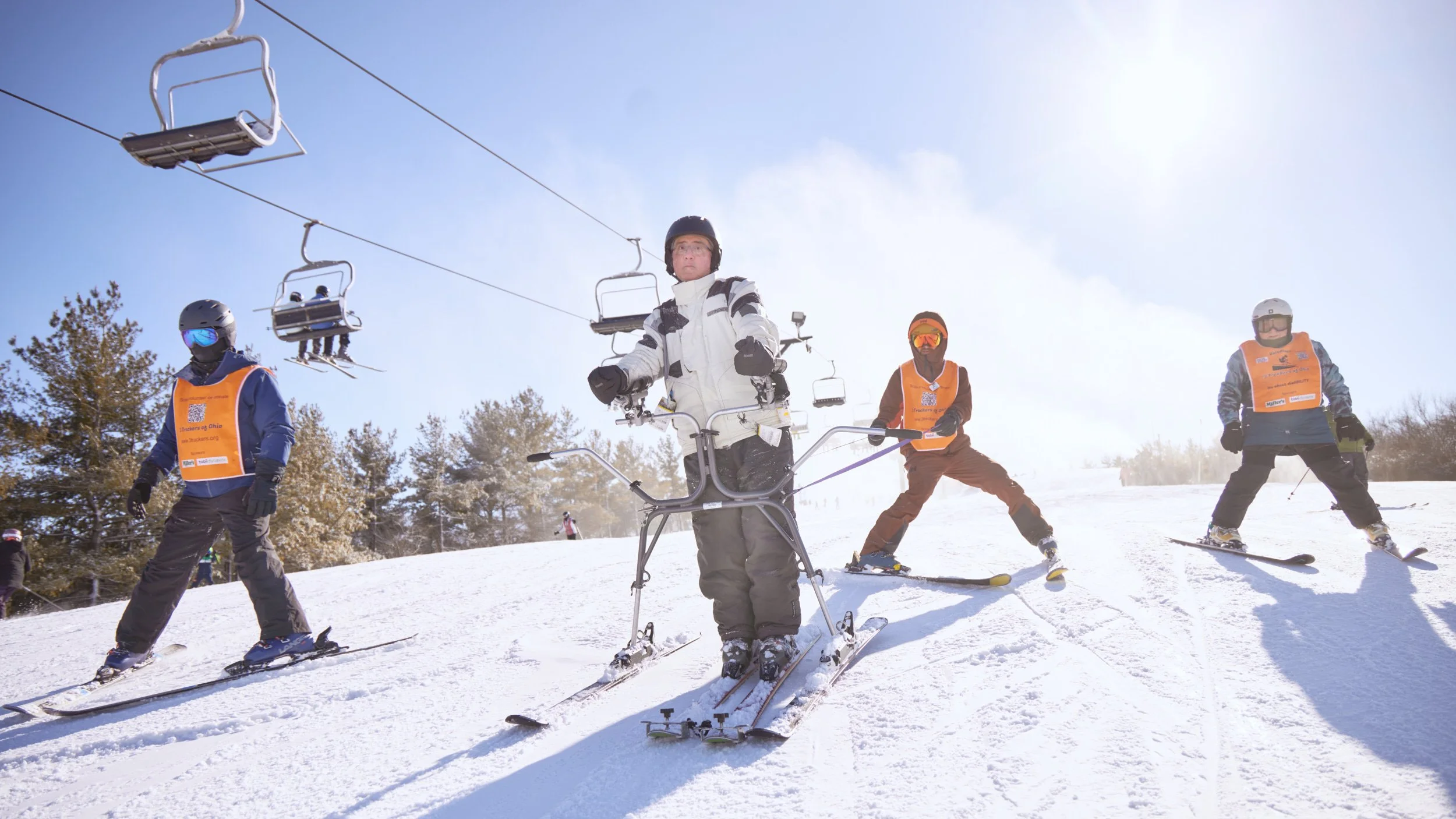
What the mountain gives him, he says, is a frame of mind he recognizes. Something he did before the stroke that he can still do. There are a lot of things he can't do right now, but here, nobody reminds him of that. They know his disability and work around it without making him feel like he has one. You can fall here, he says, and they help you get back up. His goal is to recover fully enough to come back as a volunteer, he says he'll know how hard it is.
More from 3 Trackers
Explore other Chapters