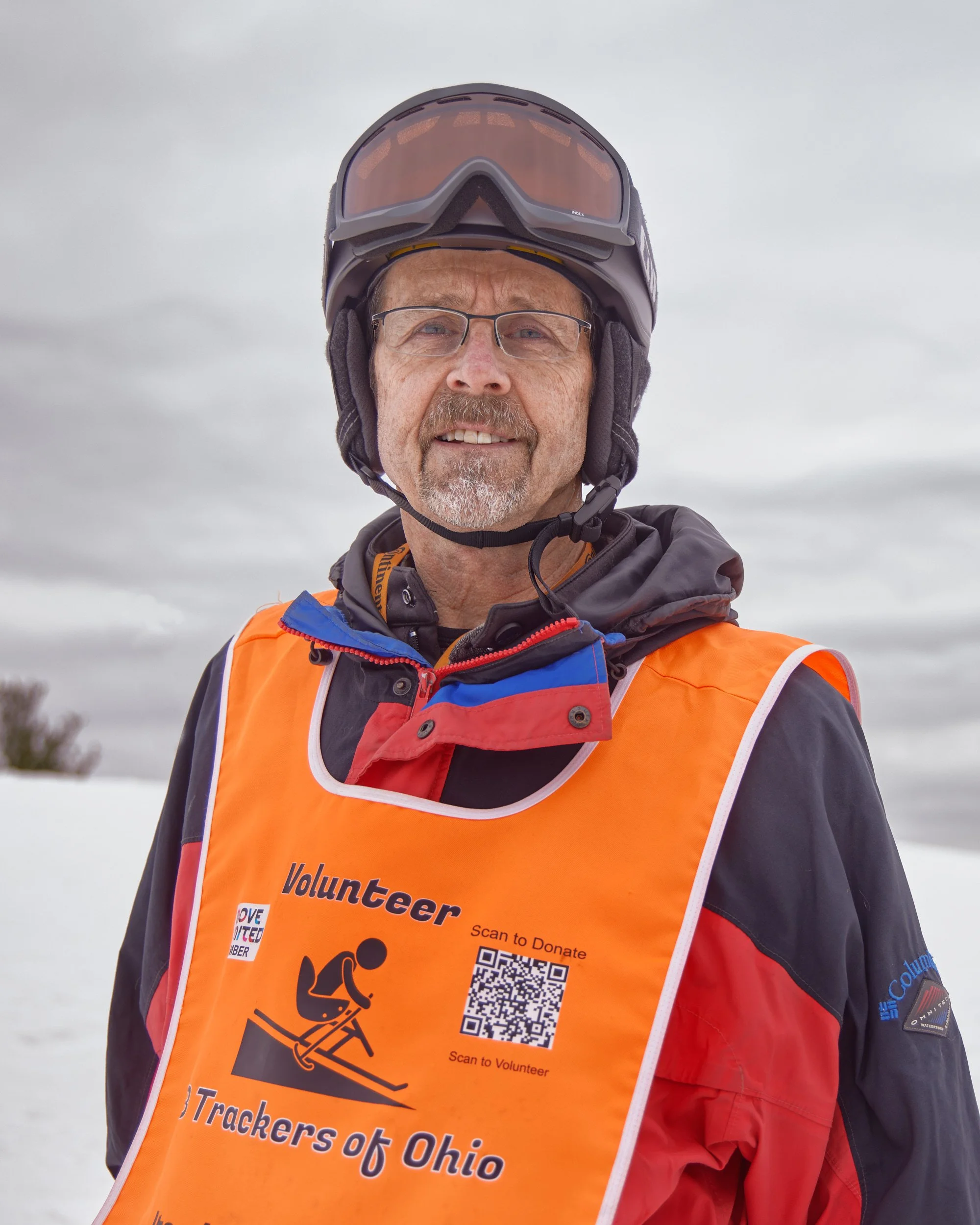
Portraits of Adventure / 3 Trackers / Rod
Rod
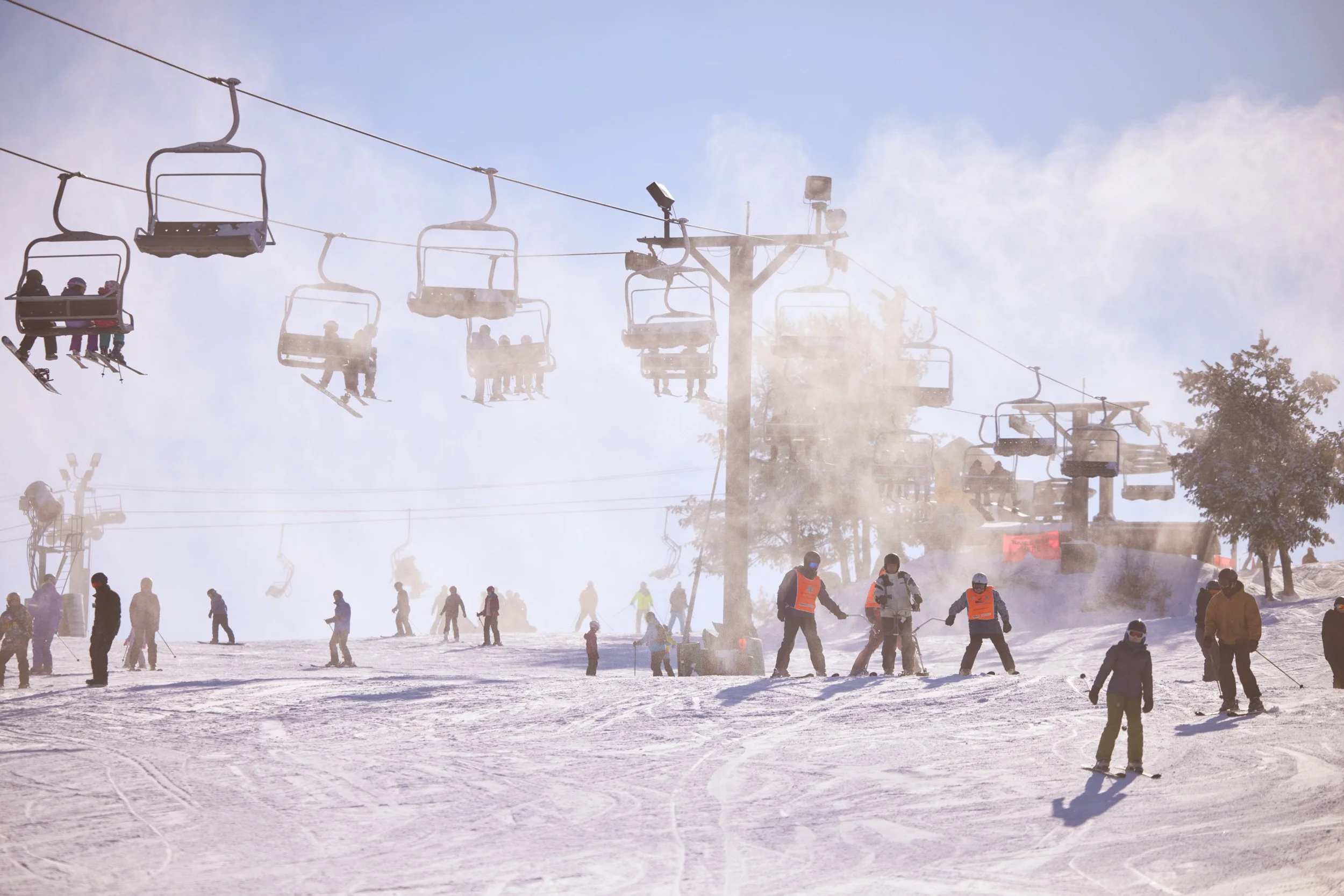
Brandywine Ski Resort, Ohio
January 2026
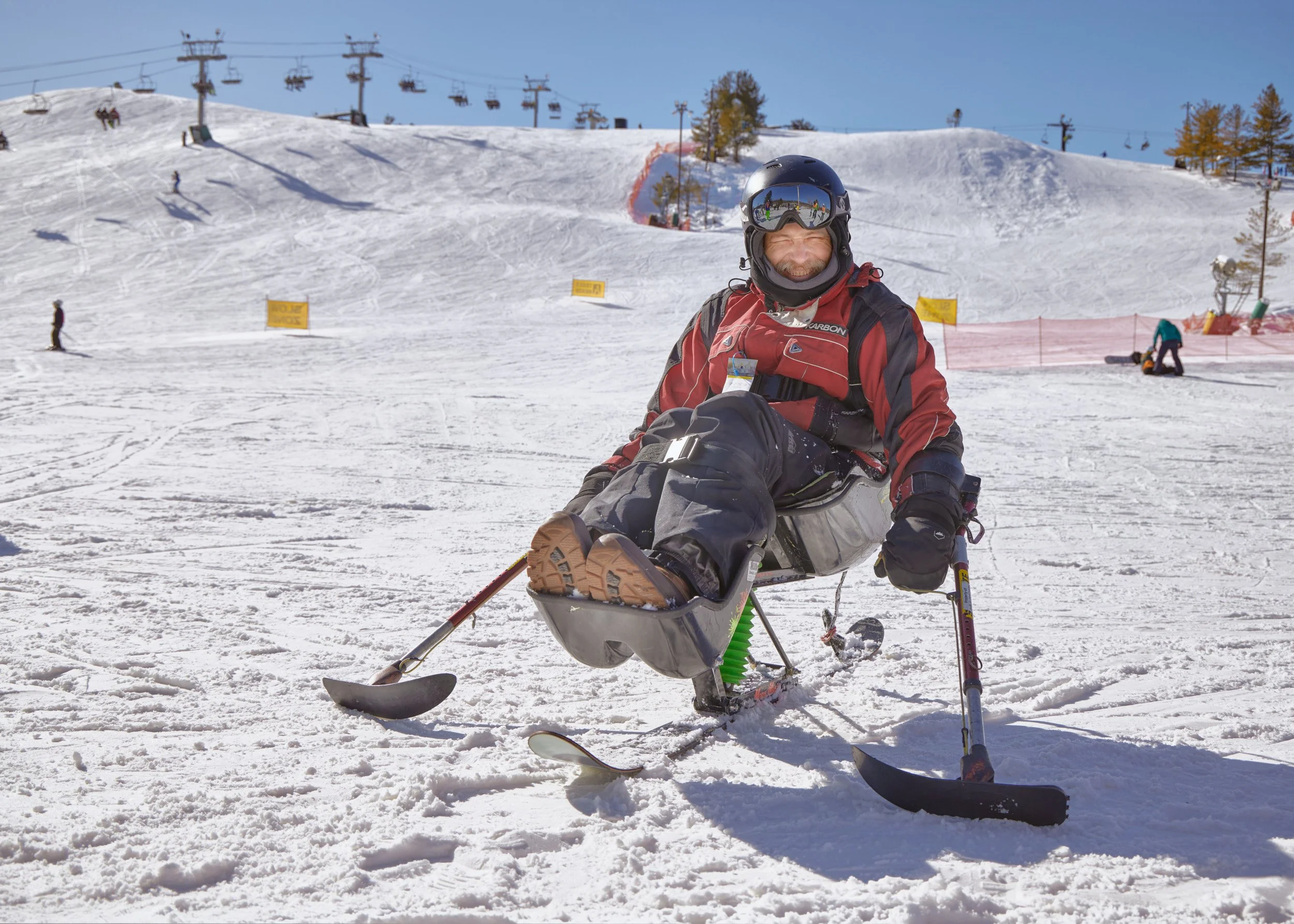
Three days before the helicopter came down, Rod had bought his first pair of snow skis for six hundred and eighty dollars. When the rotor blades came through the wall of the oil platform living quarters and took both legs below the knees, that was one of his first thoughts. He was 26 at the time and had been working in the oil field, sleeping in the quarters adjacent to the helicopter pad. The pilot forgot to untie the aircraft from the pad before takeoff. He tried once, tipping a bit, then again tipping further, sending blades through the wall of Rod’s sleeping quarters.
Rod picked up his leg, put it on his lap, told the people who came that he had a tourniquet kit. He doesn't drink, or smoke and in good health wanted to live life. In the hospital, he demanded food because he figured he needed to eat to survive. Unfortunately, his digestive system had shut down, but he didn't know that. He got himself pumped out. In physical therapy, while other patients waited in wheelchairs staring at daytime television, Rod, unprovoked, grabbed weights off the rack and started lifting. He was building his arms up because he figured he'd be on crutches the rest of his life. As if the pain and lifelong injury weren’t enough, there’s an injustice Rod feels as the lawsuit he wanted to file was shifted to workmans comp by his lawyer. Always in a positive spirit, he keeps his head up and helping others regardless.
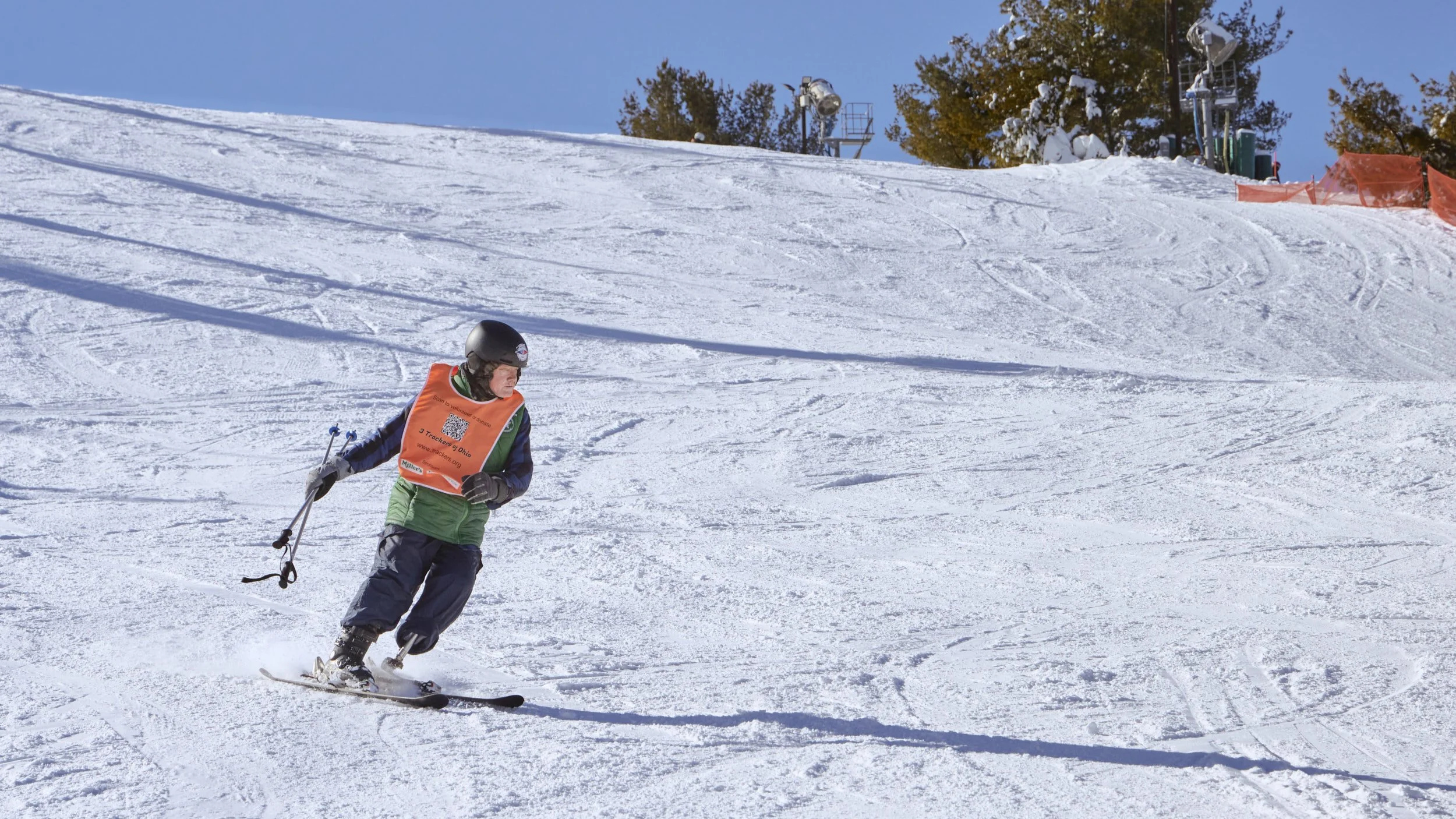
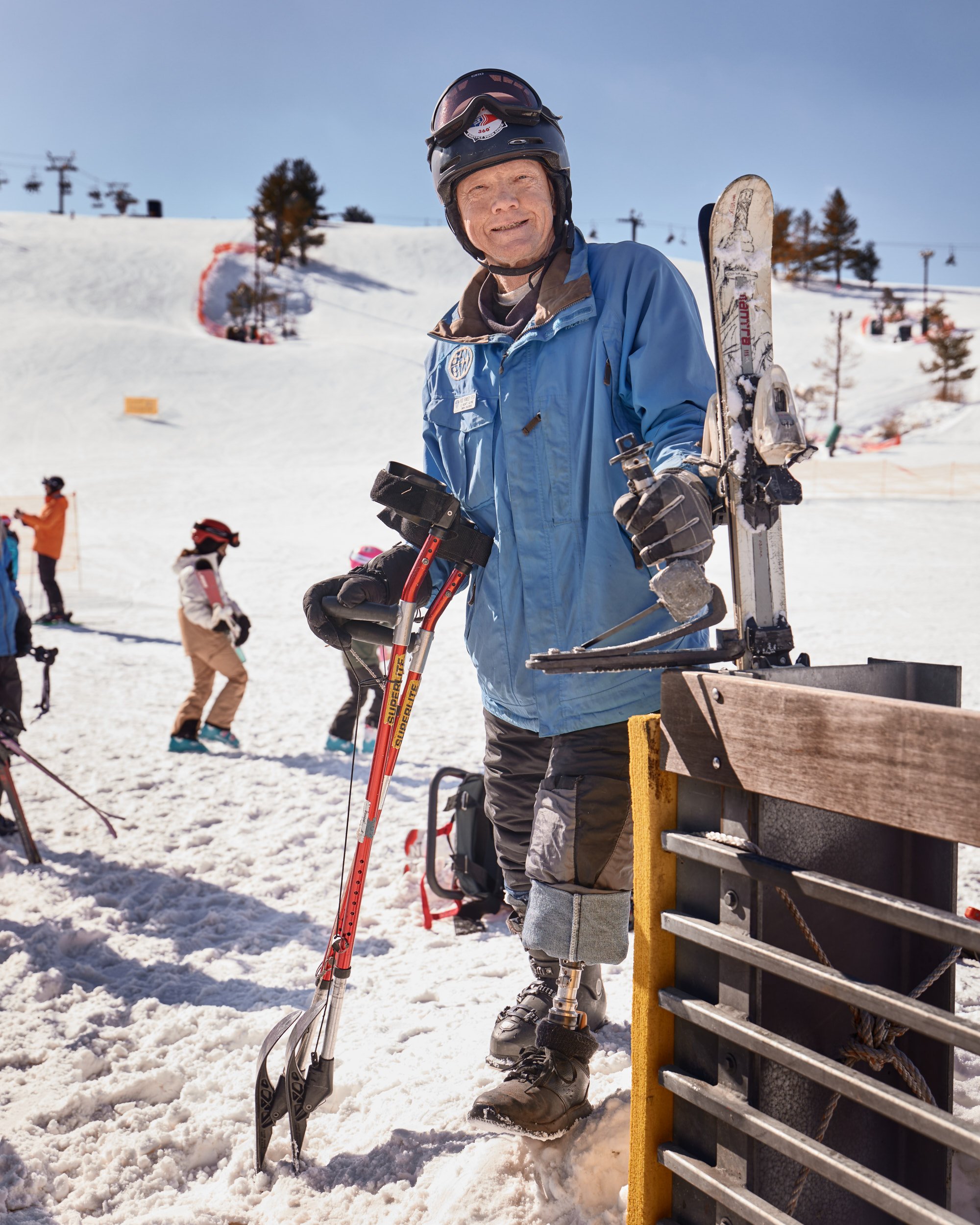
Returning to Ohio over 20 years ago, Rod got married, found 3 Trackers at a show, and showed up at Brandywine to see what the program was about. His career as an instructor started of course as a student, a guy who didn't know how to ski, and didn’t have what everyone else had on the hill, both working legs. Jim Voltz, another amputee and instructor with the program at the time, taught him to ski. Slowly, season by season, Rod learned how to transfer weight on a prosthetic leg, how to keep his shoulders facing downhill, and not catch an edge. Always mindful when he skis, he works on technique with each turn. He took the Level 2 exam multiple times before he passed, but is now one of two certified PSIA instructors on the hill. Able-bodied candidates quit after two or three attempts, not Rod.
When he was teaching a group at Alpine Valley, the hill supervisor told him three weeks running that his student from the previous week didn't want a different instructor, they asked for Rod by name. You set the bar too high for the rest of us, one of the other instructors told him after he volunteered to go first on the pivot slips portion of his Level 2 exam and ran a clean line straight down the fall line.
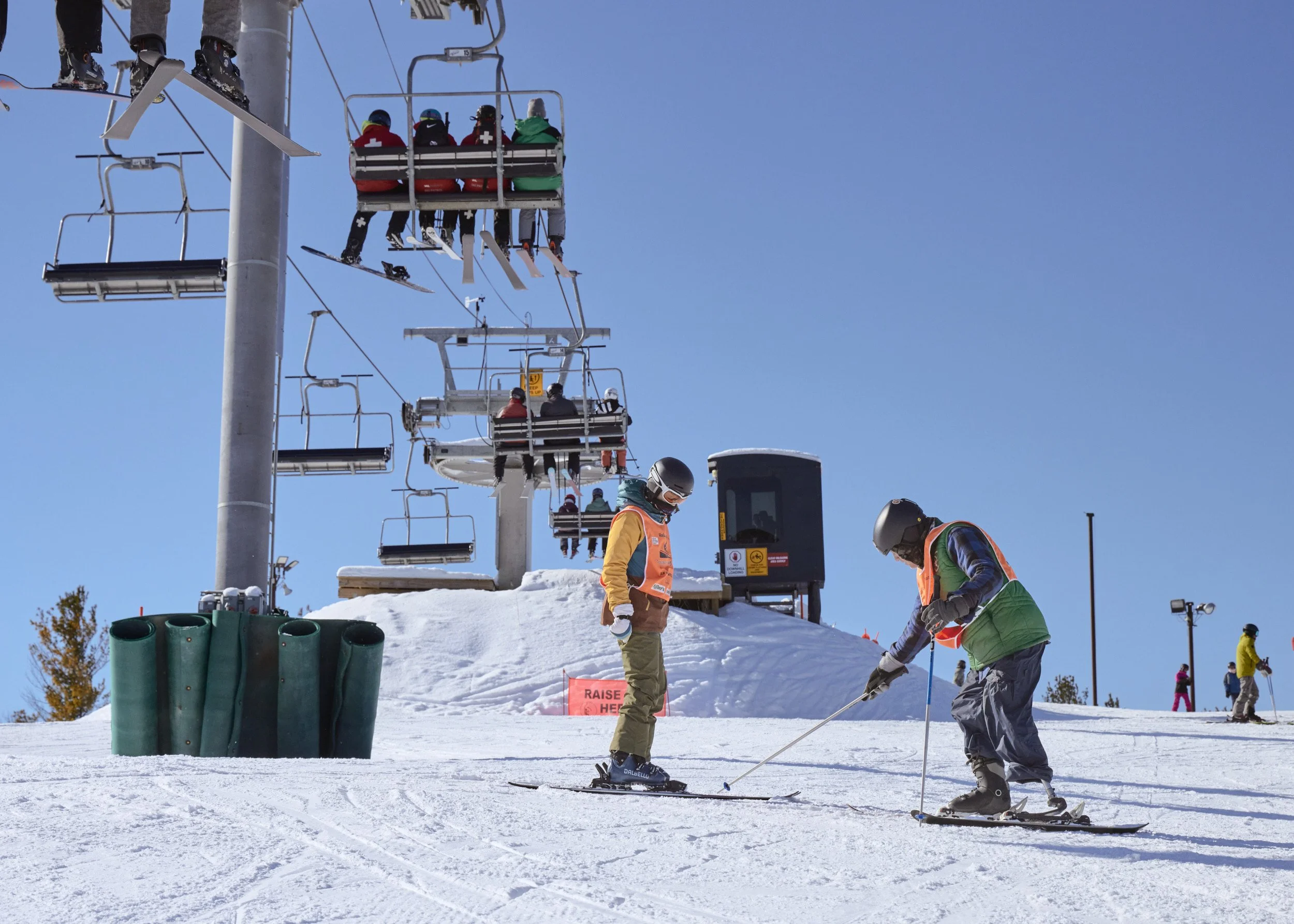
Rod doesn’t say it, but you can tell he’s proud of what he’s accomplished on the hill, and the people he’s taught. He recognizes the influence and inspiration his presence there provides to all skiers working to be better. He skied in Kitzbühel, Austria, in wet heavy spring snow that was misery on a prosthetic leg, and a man who turned out to work for a prosthetics company started filming him from the lift. Rod found him, and they rode up the lift together, Rod giving the man an earful of feedback on their product.
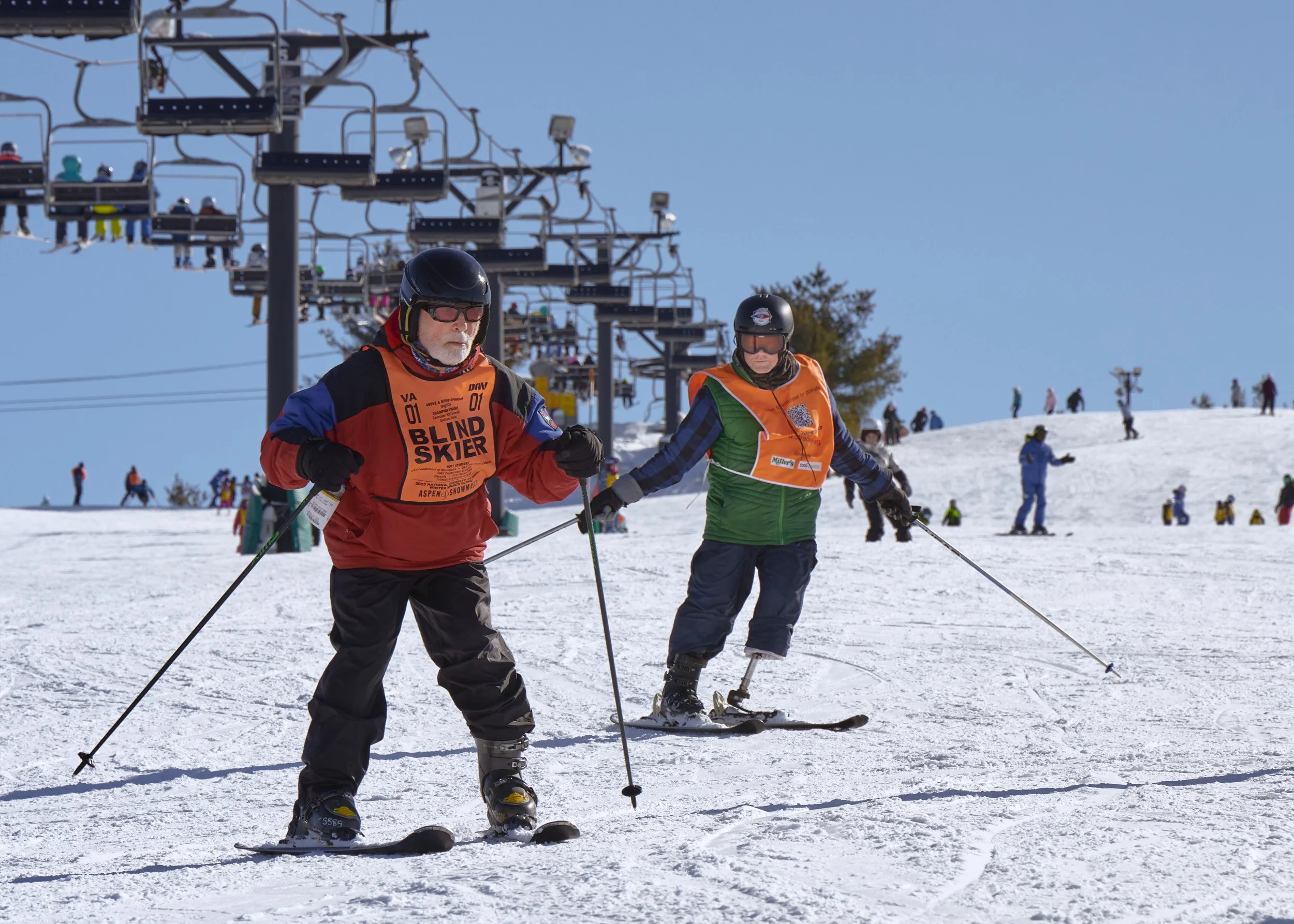
Growing up small, a skinny kid who got picked on, Rod says he was like Urkel on television, the kid who was always getting lifted up. He learned early that being useful to people was a way to have friends. He taught Sunday school as a teenager where he only started going to church to meet girls, then stayed because he liked it. He's Lutheran, his wife is Catholic... They've been married 30 years and argue about it regularly. Staying useful and helpful, Rod fixes his elderly neighbors' riding mowers and hot water heaters and cars using some of the tools in his two buildings worth of them. His 1986 GMC pickup truck, 35 years old, gets him to Brandywine every week. He drives it there, he says, and he's safe enough on the road. He learned what walking really is from physical therapy: a controlled fall. You put your foot out to catch yourself. You don't put your foot out, you go down - this seemed to be an underlying mantra for his life.
The three most important words in his life, he says, are I love you. When his body was failing in the hospital and he thought he was dying, it was the one thing he wanted to say to the people who needed to hear it. He never leaves the house without telling his wife.
More from 3 Trackers
Explore other Chapters